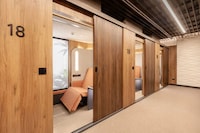
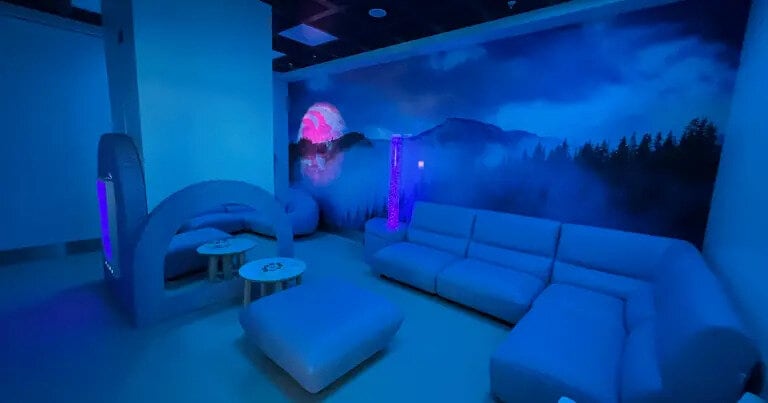
Manchester Airport is expanding airport sensory rooms with the Sunflower Room, a purpose-built Terminal 2 facility supporting passengers with autism, neurodivergence, non-visible disabilities and other assistance needs. The space includes two sensory rooms equipped with bubble tubes, infinity mirrors, light projectors, adjustable lighting and weighted furniture, alongside a quiet room with minimal stimuli. Different seating and lying options accommodate individual preferences, while nearby flight information screens help passengers remain updated without leaving the facility.
Providing multiple environments recognizes that travelers can have different sensory needs rather than relying on a single standardized accessibility space. For Manchester Airport, the facility can strengthen its broader passenger experience by making air travel more accessible and comfortable for additional travelers. The no-booking model also reduces barriers to use, while specialist consultation helps the airport provide support tailored to individual passenger needs.
Image Credit: Manchester Airport
Why This Trend Is Growing
- Neuroinclusive Travel Spaces
- Airports are redefining accessibility through dedicated sensory environments that support travelers with autism, neurodivergence and non-visible disabilities.
- Adaptive Passenger Experience
- Flexible room layouts, adjustable lighting and varied seating introduce personalization into high-stress transit settings for travelers with diverse comfort needs.
- Barrier-free Accessibility
- No-booking support spaces reduce friction for passengers who need immediate assistance, creating new expectations for inclusive infrastructure in public travel hubs.
Industries Being Reshaped
- Air Travel
- Passenger-focused sensory facilities can differentiate airports by improving comfort, dwell time and accessibility for underserved traveler groups.
- Accessibility Design
- Specialized consultation and purpose-built sensory features signal growing demand for environments designed around varied neurological and physical needs.
- Travel Technology
- Integrated flight information within calming spaces highlights opportunities for assistive digital systems that keep passengers informed without increasing sensory overload.