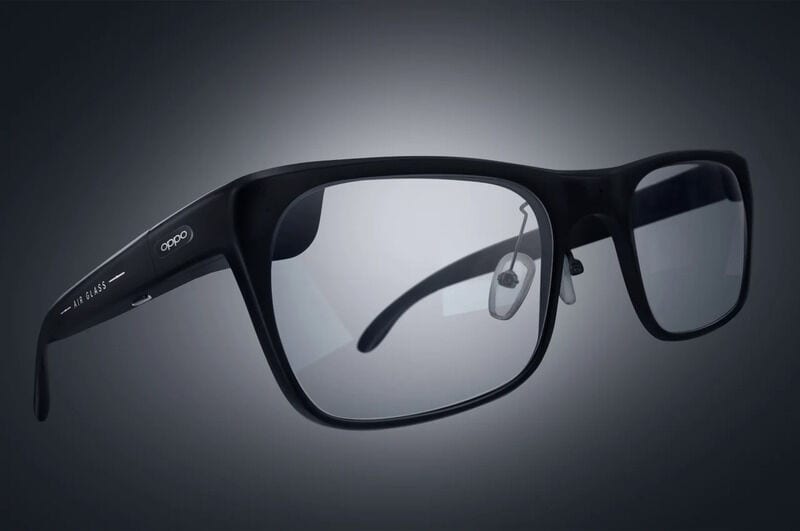
OPPO introduces a look at the new Air Glass 3, which is an augmented reality headset that is a lightweight wearable structure. It is elevated by AI technology and the prototype relies on its own self-trained language model dubbed AndesGPT to create a more seamless way to interact with the glasses.
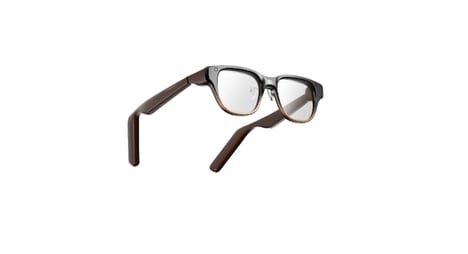
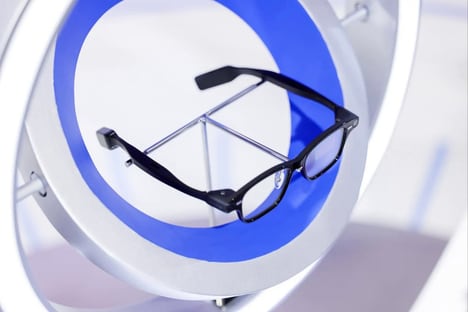
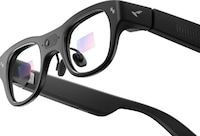
This element is the highlight of the Air Glass 3 -- it appears to be any regular pair of glasses with thick frames to house all of the technicalities. Although it is lightweight, other features are not compromised as a result. It has a bright 1,000-nits display that is backed by a small Spark micro projector to provide a clear vision in any environment.
Image Credit: OPPO
Why This Trend Is Growing
- Lightweight AR Headsets
- Exploring the potential for ultra-portable AR headsets that prioritize comfort and wearability.
- AI-powered Wearable Technology
- Leveraging AI advancements to enhance user experiences and interaction with wearable devices like AR headsets.
- Seamless Interaction Models
- Developing intuitive interaction models through self-trained language technology for augmented reality devices.
Industries Being Reshaped
- Consumer Electronics
- Adopting lightweight AR headsets and integrating AI technology to revolutionize the consumer electronics market.
- Augmented Reality
- Innovating in the AR industry by focusing on user-friendly design and seamless interaction features powered by AI.
- Wearable Technology
- Driving advancements in wearable tech by implementing self-trained language models for more natural user-device interaction.