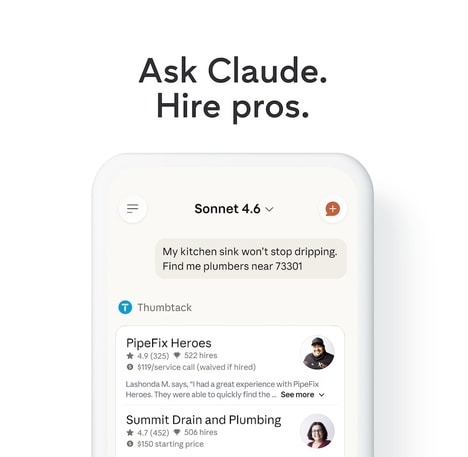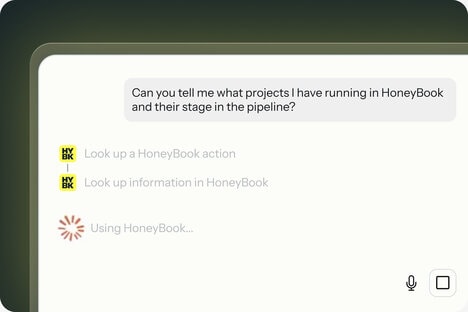
Avochato launched a Claude connector for business texting that lets teams query customer conversations in plain English and turn inbox history into replies, tags and next steps. The connector sits inside Avochato, the messaging platform for customer conversations across text and live chat, and gives Claude access to the same inbox records teams already use.
Claude can search conversations and call logs, surface response-time stats, update contacts and draft messages that stay unsent until a person approves them. That trims the usual scroll, export and reporting cycle, turning the inbox into a working record instead of a static archive.
Avochato shows how an MCP-based connector included on Standard plans and up can lower the barrier to using AI on customer records without handing over send control, while making the same inbox data usable with other AI clients.
Image Credit: AI-generated
Key Themes Behind This Trend
- Conversational Inbox Intelligence
- Plain-language querying of customer message histories creates new value from existing inbox data by turning support archives into searchable operational insight layers.
- Human-approved AI Replies
- Draft-only automation preserves employee control while speeding up customer response workflows, opening space for trusted AI copilots in regulated or high-touch communications.
- Mcp-enabled Business Tools
- Standardized AI connectors make customer records usable across multiple assistants, signaling a shift toward interoperable software ecosystems built around shared business context.
Where This Applies
- Customer Service Software
- AI-assisted inbox analysis reshapes support platforms by combining conversation search, performance metrics and response drafting within everyday agent workflows.
- Business Messaging Platforms
- Texting and live chat providers gain differentiation through embedded AI that transforms routine customer interactions into structured actions, tags and follow-up intelligence.
- Enterprise AI Integration
- Connector-based access to operational records highlights demand for secure, permission-aware AI layers that enhance workplace systems without replacing existing approval processes.