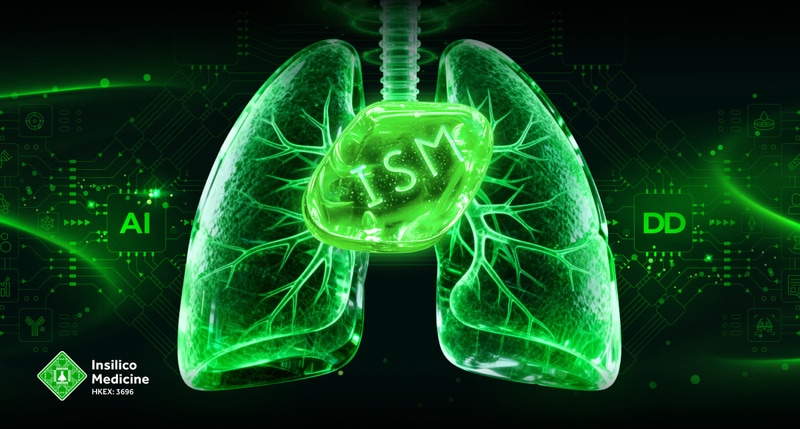
AI drug discovery is advancing pharmaceutical research by enabling artificial intelligence to identify disease targets, design new molecules, and support clinical development through a unified workflow. Insilico Medicine's Rentosertib, developed using its Pharma.AI platform, has entered a Phase III clinical trial for idiopathic pulmonary fibrosis after AI identified the TNIK target and generated the drug candidate. The program demonstrates how AI can contribute across multiple stages of drug development, from biological analysis and molecular design to clinical trial planning and optimization.
For pharmaceutical companies, end-to-end AI platforms have the potential to shorten research timelines, reduce early-stage development costs, and uncover therapeutic opportunities that may be overlooked using conventional approaches. As AI systems become more deeply integrated into drug development, companies that combine computational biology, generative chemistry, and clinical data analysis could gain a competitive advantage in bringing novel treatments to market while improving research productivity
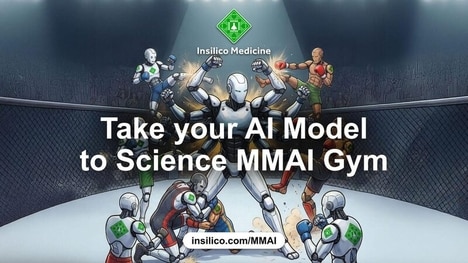
Image Credit: Insilico
Key Themes Behind This Trend
- End-to-end AI Discovery
- Unified AI platforms are reshaping drug development by connecting target identification, molecule generation, and trial planning into a faster, more integrated research workflow.
- Generative Molecule Design
- Generative chemistry tools create new therapeutic candidates from computational models, opening paths to treatments that traditional screening methods may miss.
- AI-optimized Clinical Trials
- Clinical development is becoming more data-driven as AI supports patient selection, trial design, and probability-of-success modeling for complex diseases.
Where This Applies
- Pharmaceuticals
- Drug makers face new competitive pressure from AI-enabled discovery models that can reduce timelines and expand pipelines for underserved conditions.
- Biotechnology
- Biotech firms gain differentiated value through computational biology platforms that identify novel disease targets and accelerate experimental validation.
- Clinical Research
- Contract research and trial service providers are positioned for transformation as AI tools improve protocol design, recruitment strategies, and development efficiency.