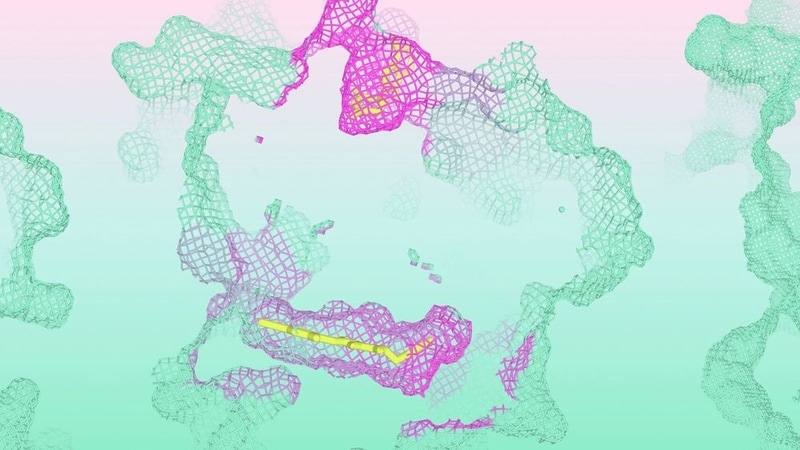
Isomorphic Labs’ ‘AI drug design engines’ platform reflects the growing shift toward computational pharmaceutical research systems that can model molecular interactions and accelerate medicine development. Building on advances beyond AlphaFold, the company’s IsoDDE system predicts protein structures, binding affinity and hidden molecular pockets with significantly improved accuracy across complex biological systems.
The platform demonstrates how artificial intelligence is evolving from a research support tool into a core component of drug discovery workflows. By reducing the time and computational cost required to identify promising compounds, AI-powered systems could help pharmaceutical companies accelerate research pipelines and lower development expenses. The technology may also improve the ability to design treatments for previously difficult or poorly understood diseases by uncovering new biological targets and molecular interactions. As biotech firms increasingly integrate machine learning into laboratory operations, computational drug design platforms may become essential infrastructure for next-generation pharmaceutical development and precision medicine research.
Image Credit: Isomorphic Labs
What's Driving This Trend
- AI-first Drug Discovery
- Computational platforms that design and prioritize compounds create the possibility of substantially shortening lead identification cycles and reducing early-stage attrition rates.
- Predictive Molecular Modeling
- Highly accurate prediction of protein structures and binding sites opens avenues for discovering therapies against previously intractable biological targets by revealing hidden interaction pockets.
- Laboratory-cloud Convergence
- Tight integration between in silico engines and automated lab workflows enables virtual-to-physical experiment feedback loops that can compress iteration timelines and optimize resource allocation.
Who This Affects Most
- Pharmaceuticals
- Large drug developers stand to restructure R&D economics through adoption of AI platforms that lower discovery costs and accelerate candidate progression into clinical stages.
- Biotech Tools and Services
- Providers of computational chemistry, structural biology software, and lab automation can expand into bundled AI-driven solutions that elevate value beyond single-tool offerings.
- Precision Medicine
- Personalized therapeutic design benefits from AI systems that model patient-specific molecular profiles to identify bespoke targets and tailor compound selection.