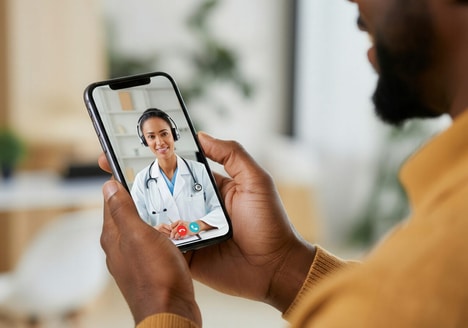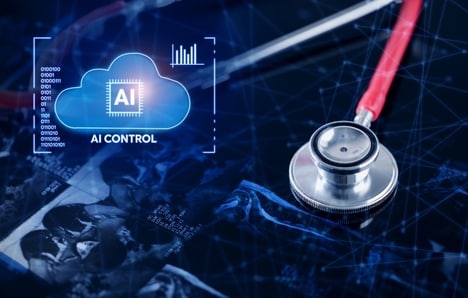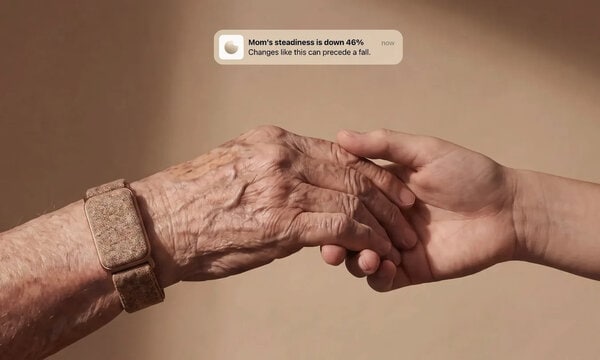
AI continuous care is reshaping healthcare by extending patient monitoring and clinical support beyond traditional appointments through agentic AI and remote care infrastructure. Brook.ai's platform combines AI trained on millions of patient interactions with clinician-led care teams to identify health risks earlier, automate care coordination, and support patients with chronic conditions between visits. By integrating into existing healthcare workflows, the platform enables continuous engagement while assisting with remote monitoring, timely interventions, and personalized outreach.
For healthcare providers, AI continuous care offers a scalable approach to improving patient outcomes while addressing workforce shortages and the growing demand for value-based care. Earlier intervention can reduce hospital readmissions, improve chronic disease management, and strengthen long-term patient engagement. Expanding these capabilities across large hospital networks also makes advanced remote care more accessible to community health systems, helping organizations deliver proactive care while improving operational efficiency and managing healthcare costs.
Image Credit: Brook, Inc.
What's Driving This Trend
- Agentic Remote Care
- Autonomous AI care agents create openings for always-on patient support models that combine risk detection, triage, and follow-up between clinical visits.
- Continuous Patient Monitoring
- Connected monitoring ecosystems are enabling earlier identification of health changes, creating space for predictive services that reduce avoidable hospital utilization.
- Value-based Care Automation
- AI-enabled workflow automation supports scalable chronic care coordination, revealing new efficiencies for providers managing outcomes-based reimbursement models.
Who This Affects Most
- Healthcare Technology
- Platforms that integrate AI, remote monitoring, and clinician oversight are expanding the market for intelligent care infrastructure across hospital networks.
- Hospital Networks
- Large health systems gain new possibilities from continuous care tools that improve patient engagement while easing staffing pressure and operational strain.
- Chronic Disease Management
- Personalized digital outreach and proactive risk scoring are reshaping long-term condition support through more responsive, data-driven care delivery.