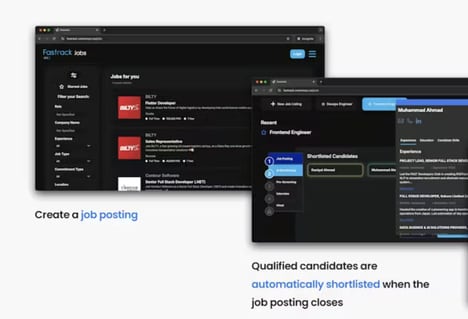

Findem created 'ReadySlate' for talent teams hiring early- and mid-career knowledge workers, using AI agents to turn a role brief into a candidate slate. In the Enterprise version, companies pay only when they unlock a prospect they want to move forward.
Findem built the system around a pain point that still consumes 50% to 70% of recruiter time, namely finding and reaching candidates. Enterprise workflows can add outreach and AI-led screening, while 'Lite' in 'Findem Studio' gives startups and hiring managers a self-serve route to screened prospects from a pool of more than 850 million profiles.
ReadySlate is now available in Enterprise and Lite formats, widening access from large talent acquisition teams to small businesses and founders running their own searches. Pay-per-unlock pricing in Enterprise turns sourcing into a pay-for-output purchase, cutting spend on candidates a team never advances.
Image Credit: Findem
Key Themes Behind This Trend
- AI Candidate Sourcing
- Agentic recruiting platforms are compressing manual search cycles by converting role briefs into qualified prospect lists for high-volume knowledge-worker hiring.
- Pay-per-output Recruiting
- Outcome-based talent tools are reshaping hiring budgets by tying spend to candidates that employers actually choose to advance.
- Self-serve Talent Intelligence
- Lightweight recruiting products are bringing enterprise-grade candidate discovery to startups, founders, and hiring managers without dedicated sourcing teams.
Where This Applies
- Human Resources Technology
- HR software providers are differentiating through AI agents that combine sourcing, outreach, screening, and profile intelligence in unified workflows.
- Recruitment Services
- Traditional staffing and search firms face pressure from automated slate-building tools that deliver screened candidates faster and with more transparent pricing.
- Small Business Software
- SMB platforms can expand into hiring enablement by embedding access to large candidate databases and automated screening for lean teams.