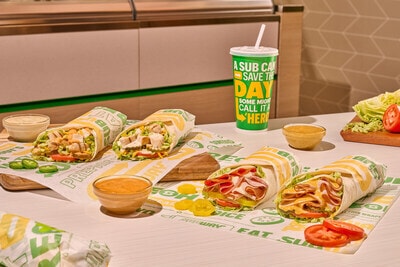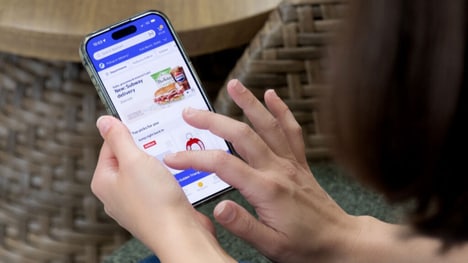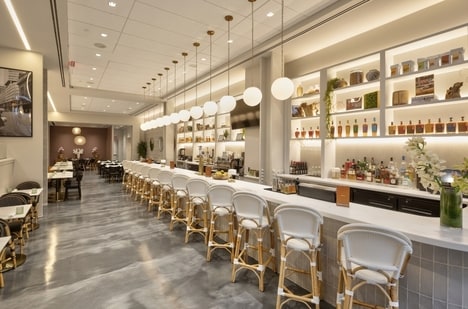
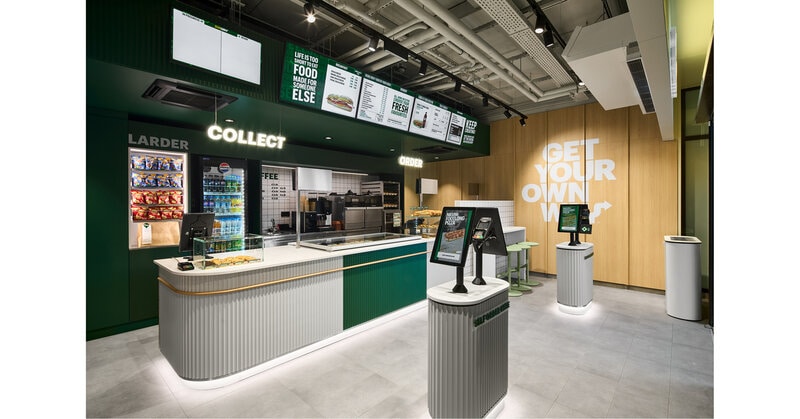
Subway is introducing adaptive restaurant concepts through its Blueprint format, which adjusts dining experiences to different times of day. Its Subway After Dark offering transforms participating locations after 6 p.m. with warmer lighting, evening music, and a dedicated menu featuring footlong pizzas, Mac 'n' Cheese, and loaded waffle fries. The broader redesign also incorporates self-service kiosks, digital order displays, and streamlined pickup areas to accommodate different ordering preferences.
Currently being tested in the Netherlands, Subway After Dark forms part of a wider strategy that includes breakfast offerings and convenient Grab & Go meals. Beginning January 2027, Blueprint will become standard for new and remodeled Subway restaurants across EMEA. By creating additional reasons to visit throughout the day, the concept could increase customer traffic and sales opportunities while supporting Subway's plans to nearly double its regional footprint over five years.
Image Credit: Subway Restaurants
What Makes This Trend Stand Out
- Daypart Dining Transformation
- Restaurants are reconfiguring spaces, menus, and atmospheres across breakfast, lunch, and evening periods, creating room for brands to capture incremental visits without expanding physical footprints.
- Hybrid Service Formats
- Self-service kiosks, pickup zones, and dine-in enhancements are blending into flexible restaurant models that accommodate shifting consumer preferences for speed, control, and ambiance.
- Experiential Fast Food
- Fast-casual chains are elevating late-day visits with mood-driven design, music, and exclusive menu items, turning routine meals into more differentiated branded experiences.
Sectors Adopting This
- Quick-service Restaurants
- Major food chains can use adaptable store formats to extend relevance across multiple dayparts while improving throughput, personalization, and location-level sales potential.
- Restaurant Technology
- Digital ordering systems, kiosks, and operational display tools are becoming central to modular dining environments that support faster service and more responsive customer journeys.
- Commercial Interior Design
- Atmosphere-led redesigns present new opportunities for lighting, layout, and sensory design providers as restaurants seek spaces that shift seamlessly between convenience and experience.