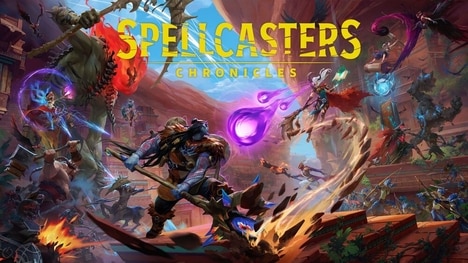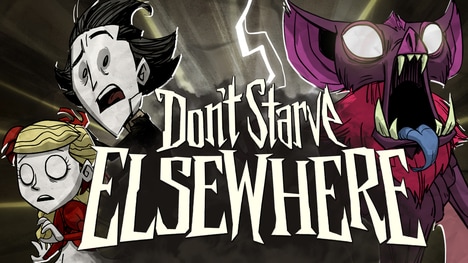

Poncle’s template-based game development strategy reflects a shift toward scalable game creation built around repeatable gameplay systems. By turning the core mechanics of Vampire Survivors into a reusable engine, the studio can efficiently produce spinoffs, original titles, and collaborations with established franchises like Warhammer 40K. This approach allows for faster development cycles while maintaining a consistent player experience across multiple projects.
This model reduces risk compared to traditional game development by relying on a proven formula rather than starting from scratch each time. It also opens opportunities for partnerships, as external IP holders can build on Poncle’s framework without compromising brand integrity. Additionally, expanding into new studios in Italy and Japan supports localized collaboration and global reach. Overall, this strategy shows how studios can scale output and diversify portfolios by systematizing successful game mechanics.
Image Credit: Poncle
Why This Trend Is Growing
- Template-based Game Development
- A shift toward reusable core mechanics enables rapid portfolio expansion by replicating proven gameplay systems across multiple releases.
- Franchise-engine Licensing
- Growing interest from IP holders in licensed engines creates a pathway for established franchises to adopt consistent gameplay frameworks without bespoke engine work.
- Localized Studio Hubs
- The establishment of regional studios in markets like Italy and Japan supports culturally tuned adaptations of template titles and broadens global collaboration networks.
Industries Being Reshaped
- Video Game Development
- Standardized development templates shift the industry toward higher-volume output with predictable user experiences and reduced prototype risk.
- Licensing and IP Management
- Framework-based licensing introduces new monetization models where IP owners can leverage existing engines to extend franchise presence with lower integration complexity.
- Game Tools and Middleware
- Demand for modular, customizable engines accelerates growth in middleware solutions that support rapid iteration, cross-title asset reuse, and scalable deployment.