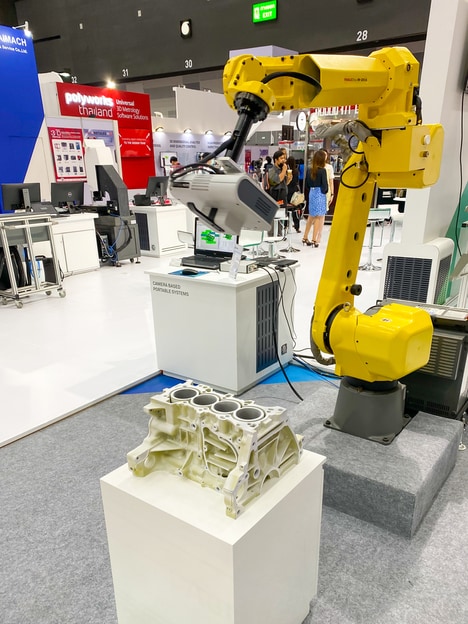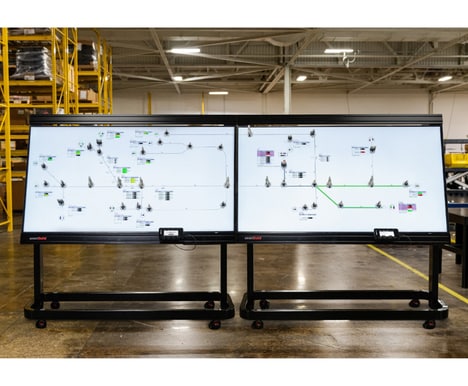
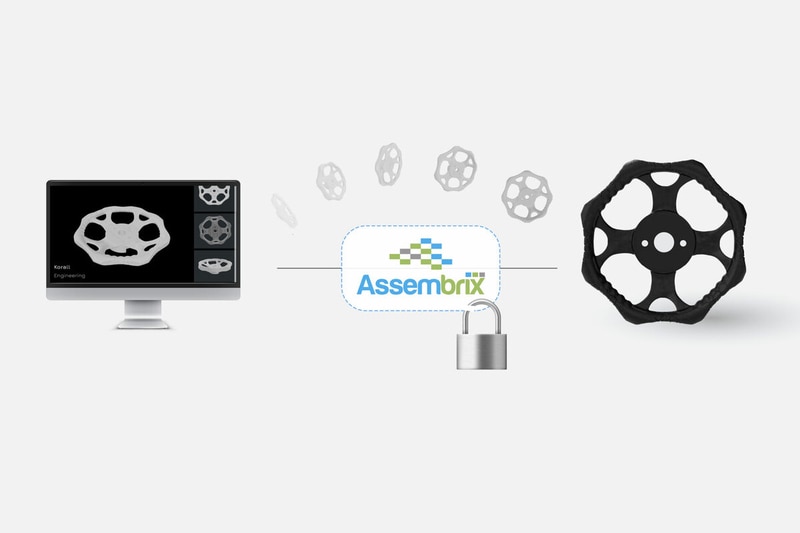
Secure distributed manufacturing is enabling industrial companies to produce critical replacement parts closer to where they are needed while maintaining control over sensitive design data. Assembrix, working with Petrobras, Sparely, Korall Engineering, and HP Additive Manufacturing Solutions, has demonstrated a secure digital manufacturing workflow that allows authorized 3D printing of spare parts without exposing proprietary design files. Using encrypted data delivery, centralized production controls, and real-time process monitoring, the platform helps manufacturers maintain quality, traceability, and intellectual property protection across distributed production sites.
For industrial operators, secure distributed manufacturing can reduce supply chain delays, minimize equipment downtime, and improve maintenance responsiveness, particularly in remote or offshore environments. Protecting digital manufacturing assets also gives companies greater confidence to expand localized production without increasing the risk of unauthorized replication. As industries seek more resilient supply chains, secure additive manufacturing platforms are becoming an important enabler of faster, more flexible, and digitally managed production networks.
Image Credit: Assembrix
Key Themes Behind This Trend
- Secure Distributed Manufacturing
- Encrypted workflows and controlled production access are creating new models for localized part fabrication without compromising sensitive design ownership.
- On-demand Spare Parts
- Digital inventories paired with certified 3D printing networks reduce dependence on physical stockpiles while improving responsiveness for critical equipment maintenance.
- Traceable Additive Production
- Real-time monitoring and centralized quality controls expand confidence in distributed manufacturing by making every print job auditable across multiple locations.
Where This Applies
- Additive Manufacturing
- Secure file delivery and remote print authorization strengthen the role of 3D printing as a trusted infrastructure for industrial part production.
- Oil and Gas
- Remote and offshore operations benefit from localized spare part production that shortens repair cycles and reduces exposure to supply chain disruptions.
- Industrial Supply Chain
- Digitally managed manufacturing networks introduce more resilient sourcing models by shifting production capacity closer to operational demand.