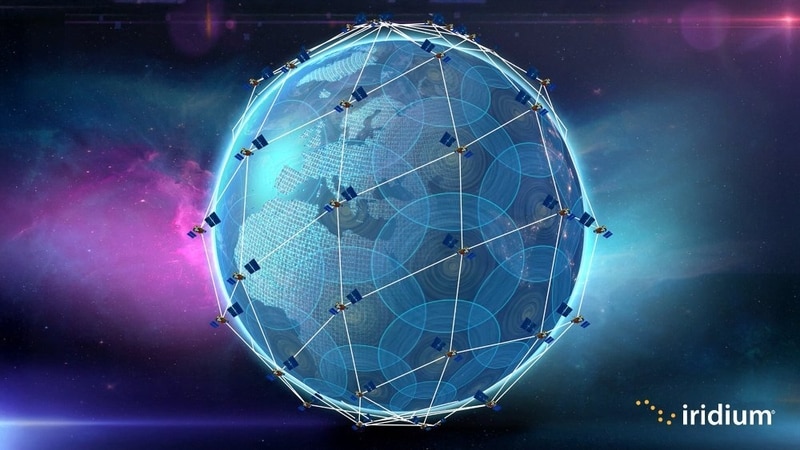
Satellite IoT connectivity is expanding the reach of connected devices by integrating satellite communications directly into standardized IoT chipsets. Iridium and Mlink are advancing this shift through live testing of Mlink's MS150-IR chipset on the Iridium NTN Direct network, enabling low-power IoT devices to maintain connectivity beyond the limits of terrestrial infrastructure. Built on 3GPP non-terrestrial network standards, the platform supports applications such as asset tracking, agriculture, logistics, industrial monitoring, and remote infrastructure without requiring specialized satellite hardware.
For businesses, standards-based satellite connectivity reduces integration complexity, lowers deployment barriers, and enables products to operate on a single global network. Device manufacturers and mobile network operators can also expand coverage and improve service reliability in underserved or hard-to-reach locations. As satellite capabilities become embedded into mainstream IoT ecosystems, seamless global connectivity is becoming a practical feature for next-generation connected devices.
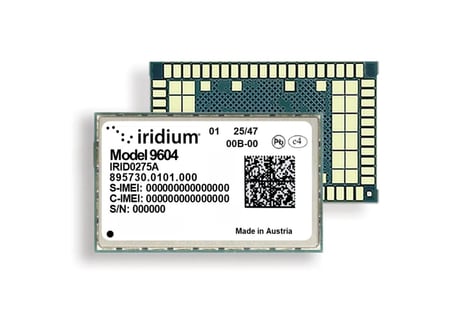
Image Credit: Iridium
What's Driving This Trend
- Standards-based Satellite Iot
- Embedding 3GPP non-terrestrial network support into IoT chipsets creates room for device makers to offer global connectivity without specialized satellite hardware.
- Remote Asset Visibility
- Satellite-enabled low-power devices make continuous tracking more practical across rural, maritime, industrial, and infrastructure environments beyond cellular coverage.
- Hybrid Global Networks
- The convergence of terrestrial and satellite connectivity supports more resilient IoT services that can maintain operations across underserved or hard-to-reach regions.
Who This Affects Most
- Telecommunications
- Mobile network operators gain new potential to extend service reliability and coverage through satellite-integrated IoT networks built on shared standards.
- Logistics
- Global supply chains benefit from connected tracking systems that remain active across remote routes, ports, borders, and off-grid transport corridors.
- Agriculture
- Connected farming systems in remote areas can use satellite IoT to monitor equipment, soil, livestock, and infrastructure where cellular networks are limited.