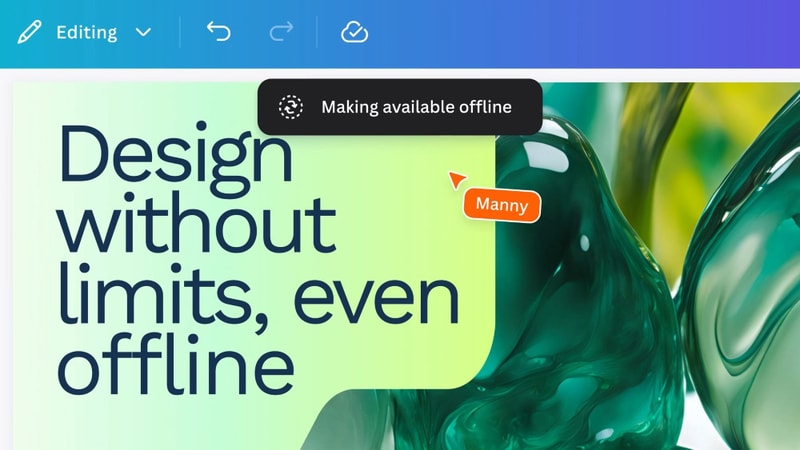
Offline creative platforms are making design tools more accessible by reducing dependence on constant internet connectivity. Canva’s new Offline mode allows users to edit designs, upload local files and continue creative projects without an active connection. Once internet access is restored, changes automatically sync across devices. Alongside this update, Canva expanded its professional design ecosystem with deeper Affinity integrations, free access to motion design tool Cavalry, and new educational and print-focused features that support a wider range of creative workflows.
Offline functionality helps creative platforms reach users in regions with unreliable connectivity while improving productivity for professionals working on the go. By combining offline access with professional-grade design, motion and brand management tools, Canva is strengthening its position as an all-in-one creative ecosystem. This approach may increase user retention, reduce reliance on competing software and attract new customer segments, including educators, small businesses and professional designers seeking a more unified workflow.
Image Credit: Canva
What's Driving This Trend
- Offline-first Design Tools
- Local editing, automatic syncing and cloud parity create space for creative software that serves mobile workers and low-connectivity markets without sacrificing professional workflow continuity.
- Unified Creative Ecosystems
- Bundled design, motion, brand and print capabilities point to platform models that can displace fragmented specialist apps through integrated subscription value.
- Connectivity-resilient Collaboration
- Device-level file access and delayed synchronization expand the viability of collaborative production in field, travel and classroom environments where connectivity is intermittent.
Who This Affects Most
- Graphic Design Software
- Graphic design software faces a shift toward hybrid cloud-local experiences that broaden access for professionals, educators and small teams beyond always-connected environments.
- Education Technology
- Education technology benefits from offline creative workspaces that support classroom assignments, digital literacy programs and remote learning in bandwidth-constrained settings.
- Small Business Marketing
- Small business marketing becomes more self-sufficient as accessible design, branding and print workflows converge into affordable platforms for teams without dedicated creative departments.