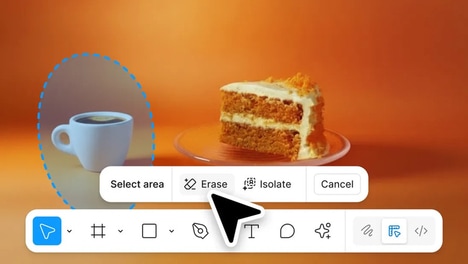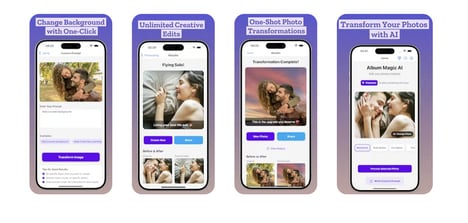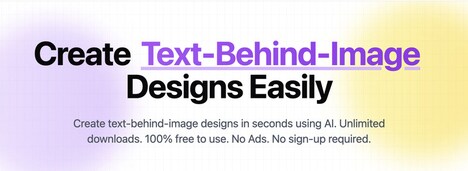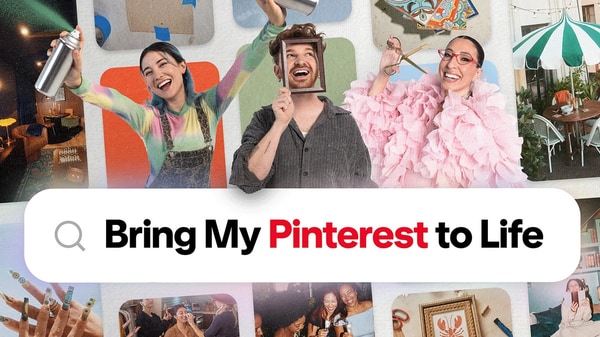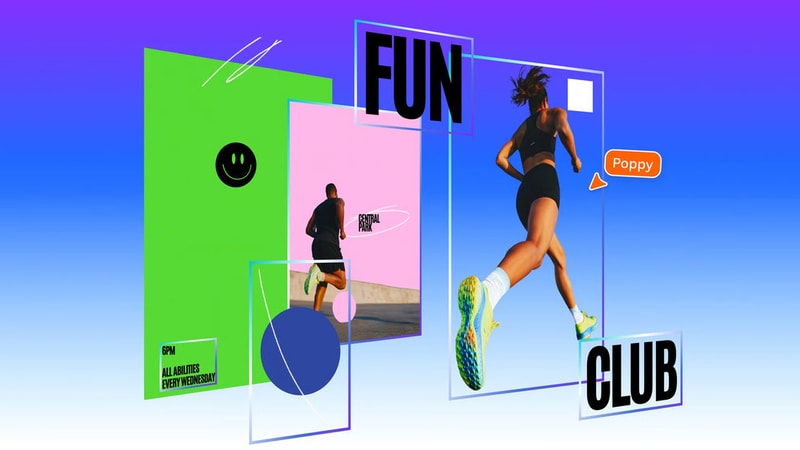
Canva has introduced Magic Layers, a new AI-powered feature that transforms flat images into fully editable, multi-layered designs within the Canva editor. As generative AI increases the speed of visual content creation, many AI-generated images remain static and difficult to modify after export. Magic Layers addresses this issue by using Canva’s proprietary Design Model to analyze and rebuild the structure of an image. The system separates visual elements, restores editable text, and preserves the original layout so users can easily adjust and customize their designs.
This feature allows creators to refine AI-generated visuals instead of starting from scratch. Designers can reposition objects, change fonts, edit text, and adjust layouts directly within Canva. By turning static images into flexible working files, Magic Layers improves efficiency and gives users greater creative control, supporting marketers, businesses, and content creators who need faster and more adaptable design workflows.
Image Credit: Canva
What Makes This Trend Stand Out
- Static-to-editable Imaging
- The conversion of exported flat AI images into editable files creates possibilities for tools that bridge generative content and iterative design workflows.
- AI-design Reconstruction
- Rebuilding image structure and separating elements with a design model points to new services that can reverse-engineer and parametrize visuals for downstream customization.
- Layered Visual Workflows
- Preserving layout and turning compositions into multi-layered assets enables platforms to offer collaborative, non-destructive editing across teams and use cases.
Sectors Adopting This
- Marketing and Advertising
- Faster adaptation of campaign visuals from AI outputs suggests opportunities for agencies to deliver personalized creatives at scale with lower production overhead.
- Graphic Design Software
- Design editors that ingest static AI images and emit editable projects indicate a shift toward hybrid tools combining generative and traditional vector/raster capabilities.
- E-commerce Product Imaging
- Transforming single-shot product renders into layerable assets reveals potential for streamlined catalog customization, variant generation, and on-the-fly merchandising.