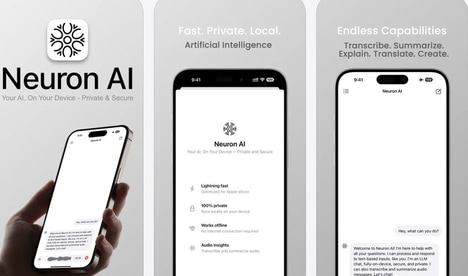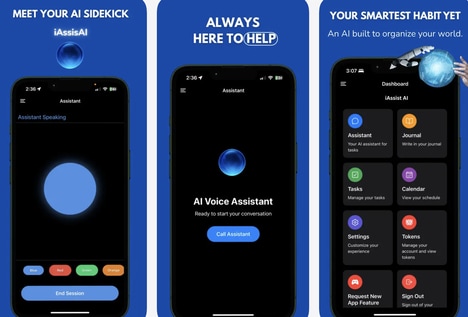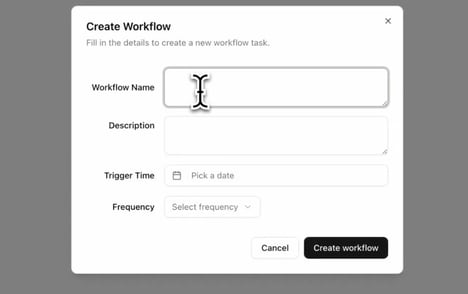

Aiden AI positions itself within the emerging segment of privacy-first productivity tools, offering a fully offline assistant for managing tasks, meetings, and notes directly on-device. Its core differentiation lies in eliminating cloud dependency entirely, appealing to users prioritizing data control and minimal digital exposure.
From a business perspective, it reflects a growing counter-trend to cloud-centric SaaS ecosystems, particularly among founders and operators handling sensitive information or working in constrained environments. The on-device architecture suggests a focus on speed, reliability, and uninterrupted access, regardless of connectivity. This aligns with broader interest in local AI processing and edge-based productivity software. However, its adoption potential may depend on feature depth compared to cloud-native competitors, as well as how effectively it balances offline privacy with collaboration needs and cross-device workflow expectations in modern business environments.
Image Credit: Aiden AI
What's Driving This Trend
- Privacy-first Productivity
- A growing preference for tools that keep task and meeting data strictly on-device highlights potential for alternatives to cloud-dependent workflows that prioritize user data sovereignty.
- Edge-based Local AI
- Local inference and on-device models enabling fast, offline processing point to new performance and reliability trade-offs compared with centralized cloud AI.
- Offline Collaboration Tools
- Increasing interest in maintaining collaboration and continuity without internet access reveals gaps in synchronization models and cross-device workflow design for distributed teams.
Who This Affects Most
- Enterprise Saas
- Founders and operators handling sensitive information are likely to explore software that minimizes cloud exposure while attempting to retain enterprise-grade features.
- Edge Device Manufacturers
- Demand for devices with stronger on-device compute and secure storage creates incentives for hardware optimized around local AI workloads and uninterrupted productivity.
- Legal and Financial Services
- Sectors with high regulatory and confidentiality requirements show appetite for productivity solutions that limit data egress and demonstrate provable local processing.