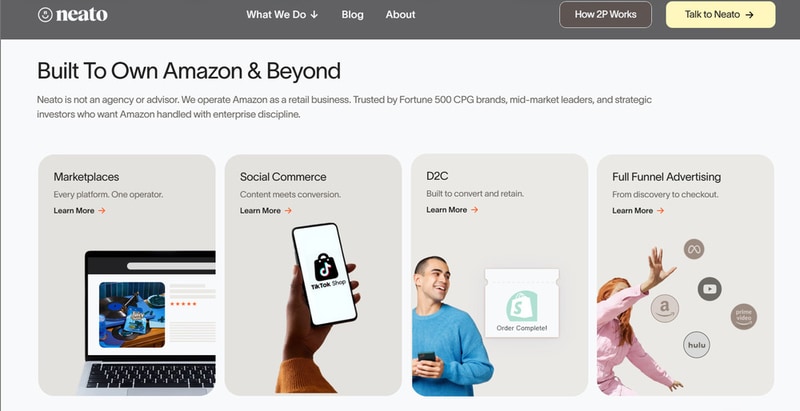
Second-party e-commerce models are reshaping how brands manage their online presence as companies like Neato take on full responsibility for marketplace operations. Instead of relying on fragmented agencies or internal teams, brands partner with operators that purchase inventory and handle everything from listings and advertising to logistics and brand protection. This streamlined approach simplifies the complexity of selling across platforms like Amazon while ensuring more consistent execution and control.
This model aligns incentives between brands and operators, as success is directly tied to product performance rather than service fees. It also allows brands to scale more efficiently without building large in-house teams. As online marketplaces become more competitive and complex, this approach could gain traction, encouraging more companies to adopt integrated retail partnerships. This shift may also push traditional agencies to evolve their offerings to remain relevant in a rapidly changing e-commerce landscape.
Image Credit: Neato
What Makes This Trend Stand Out
- Second-party Commerce Platforms
- Emergence of operators that buy inventory and run full marketplace operations creates potential for vertically integrated platforms that capture margin and data across the supply chain.
- Incentive-aligned Retail Partnerships
- Alignment of operator and brand success around product performance enables novel revenue-share and performance-based business models that disrupt fee-for-service agency structures.
- Operators-as-buyers Model
- Operators taking ownership of inventory and logistics introduces opportunities for bundled financing, inventory optimization services, and risk-bearing retail vehicles that bypass traditional distribution.
Sectors Adopting This
- Consumer Goods Brands
- Brands face a landscape where partnering with operators can replace large in-house e-commerce teams, leading to new dependency models and co-owned digital shelf strategies.
- Marketplaces and Platforms
- Marketplaces could see shifts in seller composition and demand patterns as operator-led listings concentrate inventory and amplify top-performing SKUs across channels.
- Digital Marketing Agencies
- Traditional agencies may be pressured to transition toward performance-based offerings or become enablers for operator ecosystems as integrated commerce operators capture executional capabilities.