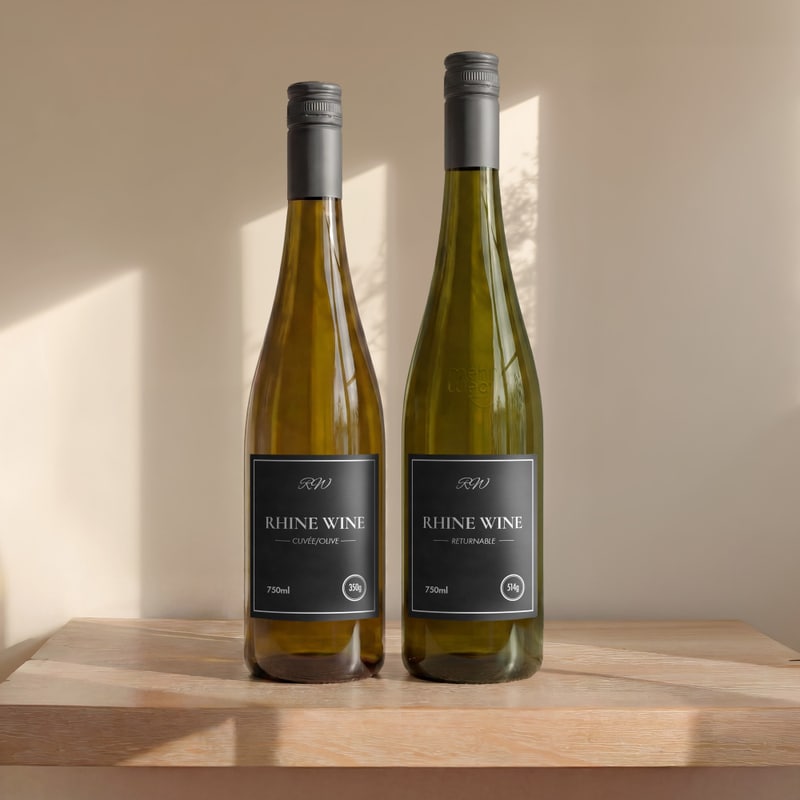
Lightweight circular wine packaging is advancing sustainability efforts in the wine industry through lighter glass bottles and reusable packaging systems. Vetropack has developed a 350-gram Rhinewine bottle that maintains the traditional shape and functionality while reducing material use and transportation emissions. Made with approximately 80% recycled glass, the bottle lowers carbon emissions across production, distribution, and export logistics. Alongside this development, Vetropack is supporting Austria’s new reusable wine bottle pooling system, which standardizes bottle collection, cleaning, and redistribution processes for participating wineries.
The broader market impact extends beyond environmental benefits. Wine producers can reduce packaging, transportation, and licensing costs while improving supply chain efficiency. The reusable bottle system creates opportunities for standardized logistics and lower operating expenses, particularly for regional producers and direct-to-consumer sales channels. As sustainability regulations and consumer expectations continue to evolve, lightweight and reusable packaging solutions may become important competitive differentiators for beverage brands seeking to lower costs and reduce environmental impact.
Image Credit: Vetropack
Key Themes Behind This Trend
- Lightweight Glass Packaging
- Reduced-material bottle designs are reshaping premium beverage packaging by lowering freight costs, emissions, and production inputs without sacrificing familiar shelf aesthetics.
- Reusable Bottle Pooling
- Standardized collection, washing, and redistribution networks create scalable circular infrastructure that can make reusable packaging practical for regional producers and shared logistics partners.
- Recycled Material Premiumization
- High-recycled-content glass is becoming a quality signal as brands combine lower carbon footprints with traditional formats that appeal to sustainability-minded consumers.
Where This Applies
- Wine
- Wineries gain new differentiation from packaging systems that reduce export weight, streamline refill cycles, and align product heritage with modern sustainability expectations.
- Beverage Packaging
- Packaging suppliers are positioned to disrupt conventional single-use formats through lighter containers, pooled assets, and design standards that support circular distribution models.
- Logistics
- Freight and reverse-logistics providers benefit from reusable bottle ecosystems that require coordinated tracking, regional redistribution, and cost-efficient cleaning flows.