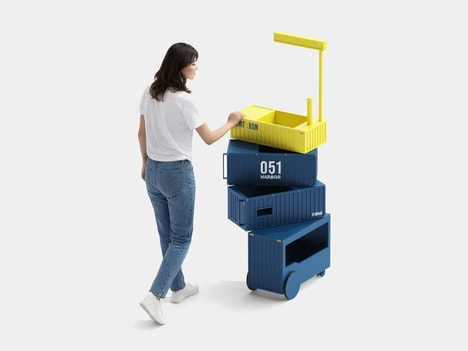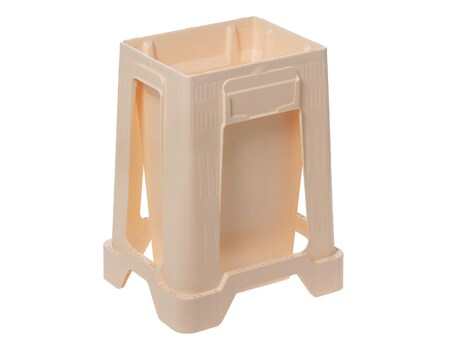

Tosca and Cabka’s circular logistics systems reflect a shift toward reusable infrastructure in modern supply chains. Their new pallet replaces traditional one-way packaging with a durable, recyclable alternative designed to meet evolving EU regulations while supporting automation. By using recycled plastic and enabling repeated use, the solution reduces waste and aligns with stricter sustainability and compliance requirements across FMCG and retail industries.
This approach addresses growing pressure on companies to balance environmental responsibility with operational efficiency. Reusable pallets can lower long-term costs, improve consistency in automated environments, and reduce dependency on disposable materials that require additional treatment and handling. It also helps businesses future-proof operations as regulations like PPWR reshape packaging standards. As supply chains become more data-driven and automated, standardized, circular assets like these pallets may become essential for maintaining efficiency, meeting compliance goals, and supporting scalable, sustainable logistics systems.
Image Credit: Tosca
What's Driving This Trend
- Reusable-packaging Infrastructure
- A movement toward durable, recyclable pallets that can lower lifecycle costs while aligning supply chains with tightening EU packaging regulations.
- Standardized Circular Assets
- Widespread adoption of uniform, returnable logistics components that can streamline automation, simplify tracking, and reduce variability across multi-party networks.
- Automation-compatible Durable Pallets
- The design of robust pallets tailored for automated handling environments that can improve consistency, reduce breakage, and extend asset service life.
Who This Affects Most
- Fmcg and Retail
- High-volume goods distributions that can benefit from reusable pallets to meet PPWR standards while lowering packaging waste and long-term supply costs.
- Logistics and Warehousing
- Storage and transport operators facing pressure to optimize throughput and compliance where standardized circular pallets can reduce handling complexity and asset turnover.
- Packaging Manufacturing
- Producers of transport packaging positioned to innovate with recycled-plastic, durable designs that replace single-use materials and capture after-market service revenues.