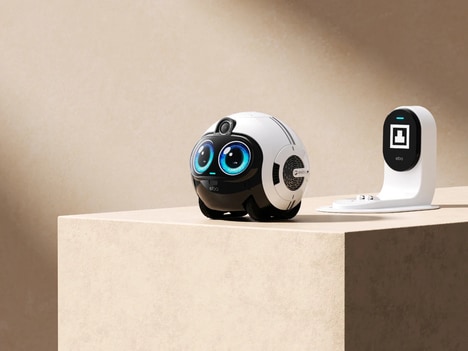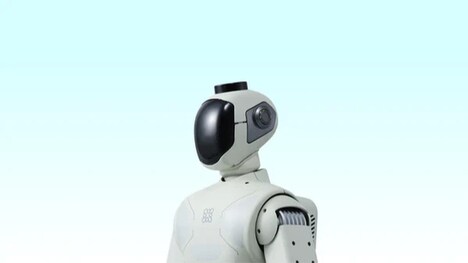

Emotional companion robotics are reshaping the future of consumer AI by moving beyond task-based automation toward relationship-driven interactions. Familiar Machines & Magic’s new “Familiars” platform reflects a growing focus on physically embodied AI systems designed to provide comfort, companionship, and adaptive social engagement within everyday environments. Unlike industrial or utility-focused robots, these systems prioritize emotional responsiveness, memory, and expressive behavior to create more natural interactions between humans and machines. The company’s emphasis on edge AI, privacy-focused processing, and screen-free communication also signals a broader shift toward more immersive and human-centered technology experiences.
As demand grows for emotionally responsive AI systems, companies may begin competing on trust, companionship, and long-term user relationships rather than pure functionality. The category could open new opportunities across healthcare, elder care, education, wellness, and household technology, while also accelerating the commercialization of consumer-focused physical AI platforms.
Image Credit: Familiar Machines & Magic
What Makes This Trend Stand Out
- Emotionally Adaptive AI
- Systems that model memory, affective states, and personalized interaction histories enable machines to sustain evolving social bonds with users over months or years.
- Edge-based Privacy Processing
- Local inference and on-device data handling reduce reliance on cloud services, shifting competitive advantage toward providers that can guarantee low-latency, private social experiences.
- Screen-free Social Interfaces
- Physical embodiment, expressive motions, and multimodal nonvisual cues create new interaction paradigms that prioritize presence and attunement over traditional GUI-driven engagement.
Sectors Adopting This
- Elder Care
- Long-term companionship robots capable of emotional recall and adaptive routines have the potential to transform social support and monitoring models for aging populations.
- Consumer Electronics
- Home devices that emphasize relational capabilities and physical expressiveness could redefine product differentiation beyond specs and connectivity toward sustained user loyalty.
- Mental Health & Wellness
- Emotionally responsive platforms that provide consistent, nonjudgmental interaction offer alternative modalities for preventive support and therapeutic augmentation.