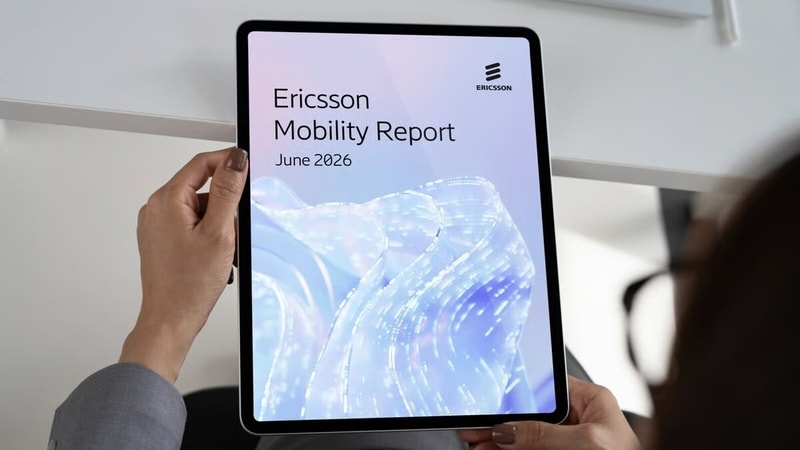
Differentiated 5G connectivity is becoming a defining feature of next-generation mobile networks as operators increasingly use 5G Standalone (SA) network slicing to deliver guaranteed service quality for specific applications. Ericsson's latest Mobility Report notes that commercial network slicing offerings continue to expand globally, reflecting growing demand for connectivity tailored to enterprise workloads, AI applications, industrial automation, and premium consumer services. At the same time, global 5G subscriptions have surpassed three billion, highlighting the rapid adoption of advanced mobile infrastructure.
For communications providers, this marks a shift from competing primarily on network coverage and speed to offering specialized connectivity tiers that support distinct performance requirements. Enterprises can benefit from more reliable connections for mission-critical operations, while operators gain new monetization opportunities through premium service offerings. As AI workloads, connected devices, and real-time applications continue to grow, differentiated network capabilities are likely to become an increasingly important competitive advantage across the telecommunications industry.
Image Credit: Ericsson Mobility
What's Driving This Trend
- Network Slicing Monetization
- Telecom operators are shifting toward premium connectivity tiers that create new revenue models around guaranteed latency, reliability, and bandwidth for specialized enterprise and consumer use cases.
- Mission-critical Connectivity
- Industrial, healthcare, and public-sector organizations are gaining access to more dependable mobile infrastructure suited to real-time operations where downtime or inconsistent performance carries high costs.
- AI-ready Mobile Networks
- Rising AI workloads are increasing demand for differentiated 5G services that can support edge processing, autonomous systems, and data-intensive applications with predictable network performance.
Who This Affects Most
- Telecommunications
- Commercial 5G Standalone deployments are redefining competitive advantage as providers package connectivity around application-specific performance rather than broad coverage alone.
- Industrial Automation
- Factories and logistics environments are becoming stronger candidates for private or sliced 5G services that support robotics, sensors, machine vision, and remote equipment control.
- Enterprise Technology
- Cloud platforms, managed service providers, and software vendors can build differentiated offerings around connectivity-aware applications that depend on stable low-latency mobile networks.