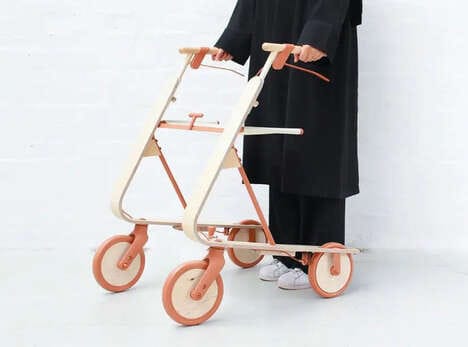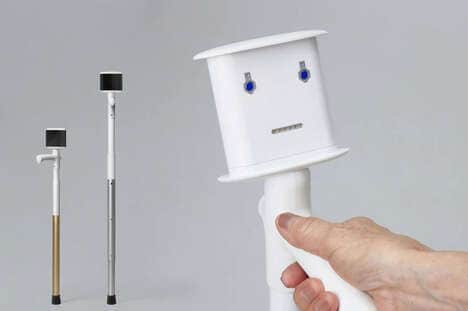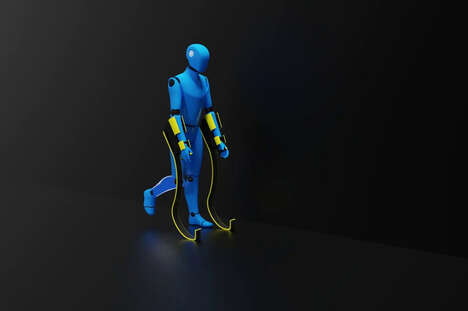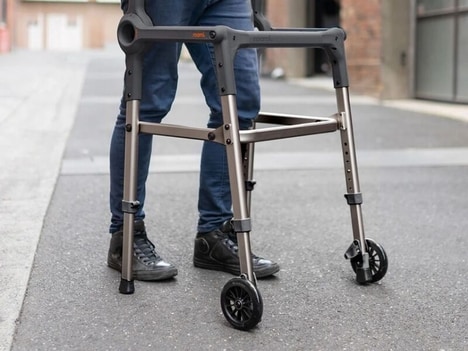


To combat the stigma of limited mobility, Shiro Studio partnered with engineering firm 'Arup' to design and produce stylish 3D-printed walking sticks that leave users feeling confident.
Shiro Studio's long-term goal was to create a product to aid those with mobility issues. The result of which is the ENEA Walking stick, the world's first fully 3D-printed walking stick. To make the device more practical for its users, the companies researched issues current models presented. ENEA is designed with practicality in mind, and features a lightweight yet sturdy material, a three-pronged base to make for a freestanding device and a hook so the stick can hold onto an elevated surface like a table, or the back of a chair when not in use.
The 3D-printed walking stick promotes comfort while presenting a contemporary design.
What's Driving This Trend
- 3d-printed Mobility Devices
- Opportunity to utilize 3D printing technology to create innovative mobility devices that are both stylish and practical.
- Inclusive Design Products
- Opportunity to design products that are accessible to those with mobility issues while still preserving aesthetic appeal.
- Ergonomic Walking Aids
- Opportunity to incorporate ergonomic design principles into walking aids for better comfort and functionality.
Who This Affects Most
- Healthcare Industry
- Innovative walking aids can improve the quality of life for those with mobility issues, providing opportunity for growth in the healthcare industry.
- Manufacturing Industry
- Increasing demand for 3D-printed mobility devices presents opportunities for growth and innovation in the manufacturing industry.
- Design Industry
- Opportunities for designers to create products that address the needs of those with mobility issues while still meeting aesthetic standards.