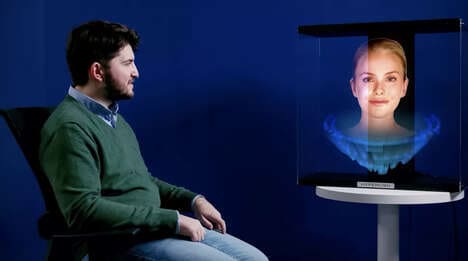
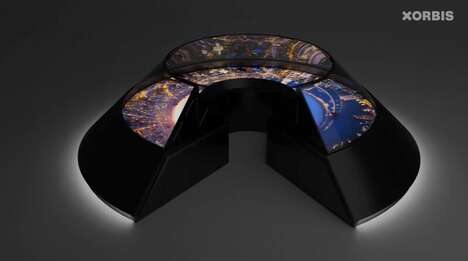
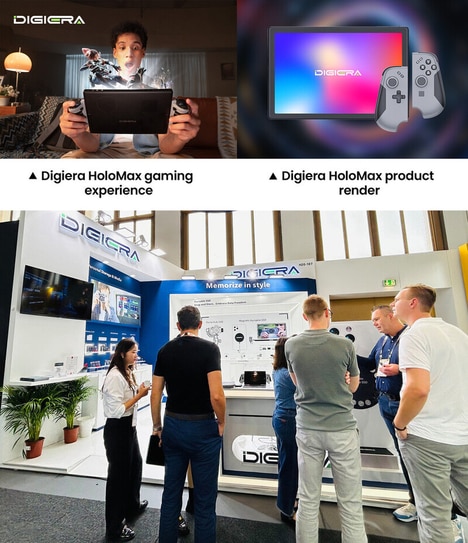
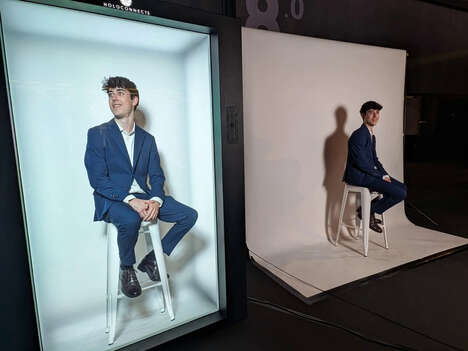
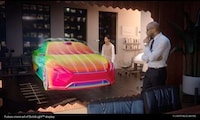
HP Labs researchers have created the first screen to produce a 3D hologram display without the need for the use to wear any special glasses.
As Hewlett-Packard physicist David Fattal explains, objects can be viewed "one centimeter either in front of or underneath the display," and the screen can be tilted to view the objects from different angles. Basically, imagine Star Wars-level technology coming out of a smartphone, so that users can see a 360-degree view of the person they are speaking to floating right in front of them.
With further development, the holographic screens seen in countless Sci-Fi movies could become a reality, with 3D hologram displays revolutionizing the tech, education and medical industries.
What's Driving This Trend
- 3D Hologram Displays
- Further development of 3D hologram displays can revolutionize tech, education, and medical industries.
- Glasses-free Hologram Technology
- Development of glasses-free hologram technology opens new possibilities in visual entertainment and communication.
- Hologram Projecting Devices
- Innovation in hologram projecting devices can lead to new ways of visualizing information and products in various industries.
Who This Affects Most
- Technology Industry
- The technology industry can benefit from implementing hologram displays in various applications, such as gaming and entertainment.
- Education Industry
- Hologram technology can be integrated into education to create interactive teaching methods and enhance student learning experiences.
- Medical Industry
- Incorporating hologram displays into medical practices can improve diagnoses, surgery planning, and medical training.