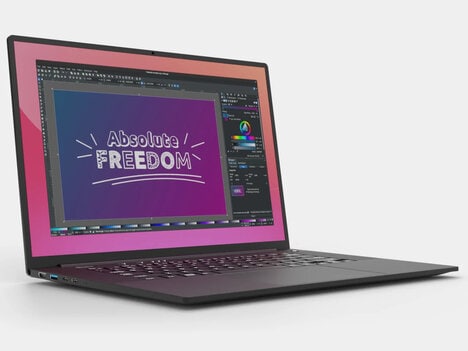
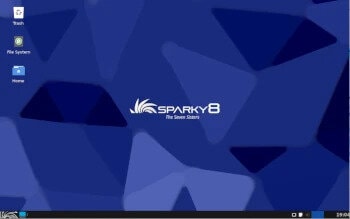
32-Bit Linux Revivals are extending the usefulness of aging computers by providing modern software support for hardware that might otherwise be retired. SparkyLinux 8.4 restores 32-bit/i686-pae Live/Install images after its developers found that a significant number of users still rely on functional computers with 32-bit processors. Based on Debian 13 “Trixie,” the release offers lightweight Openbox and command-line editions alongside updated software packages and security-supported Linux kernels. The release also continues to support 64-bit PCs and ARM64 devices.
From a business perspective, supporting legacy hardware creates opportunities for software developers to serve users overlooked by mainstream operating systems. Lightweight platforms can also help organizations, schools, and budget-conscious users extend computer lifespans, potentially reducing replacement costs and electronic waste. SparkyLinux demonstrates how continued software compatibility can create value from existing hardware while differentiating open-source platforms within an increasingly hardware-intensive technology market.
Image Credit: SparkyLinux
Why This Trend Is Growing
- Legacy Hardware Support
- Modern operating system compatibility for older machines highlights a market gap where underserved users can gain secure, functional computing without immediate device replacement.
- Lightweight Linux Computing
- Minimal-resource software environments create room for differentiated platforms that prioritize speed, affordability, and accessibility over hardware-intensive features.
- Circular Technology Use
- Extended device lifespans connect software innovation with sustainability goals by reducing e-waste and lowering technology ownership costs.
Industries Being Reshaped
- Open-source Software
- Community-led development can capture niche demand by maintaining compatibility for devices that commercial software ecosystems increasingly abandon.
- Education Technology
- Schools with constrained budgets benefit from revived legacy PCs that support digital access while delaying costly infrastructure upgrades.
- Electronics Recycling
- Refurbishment and reuse models gain value when lightweight operating systems make older computers practical for continued deployment.