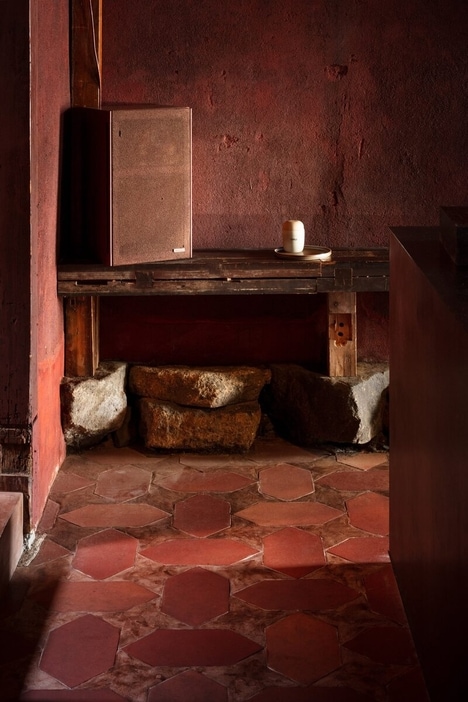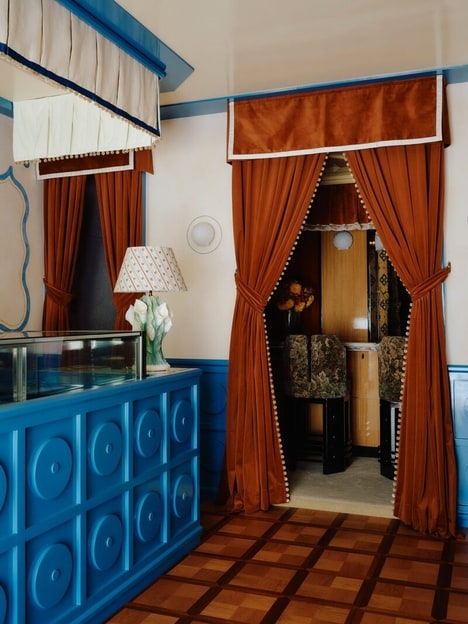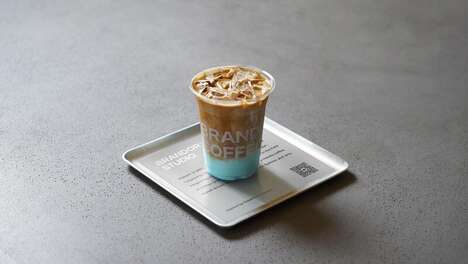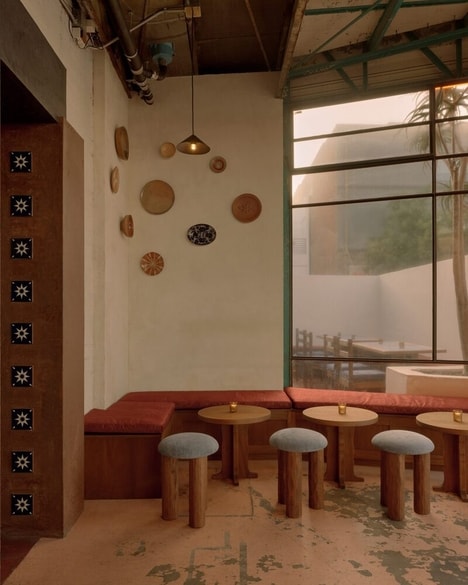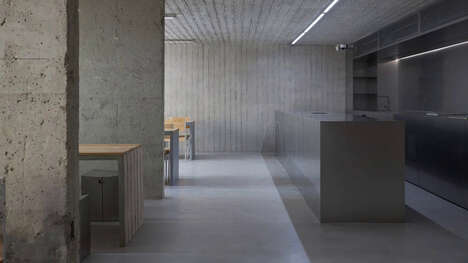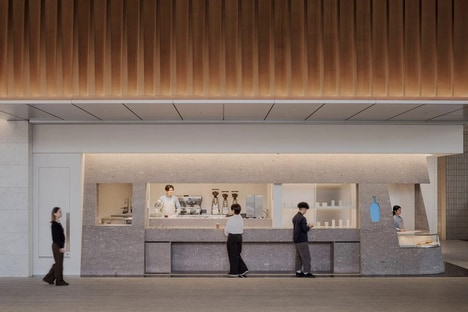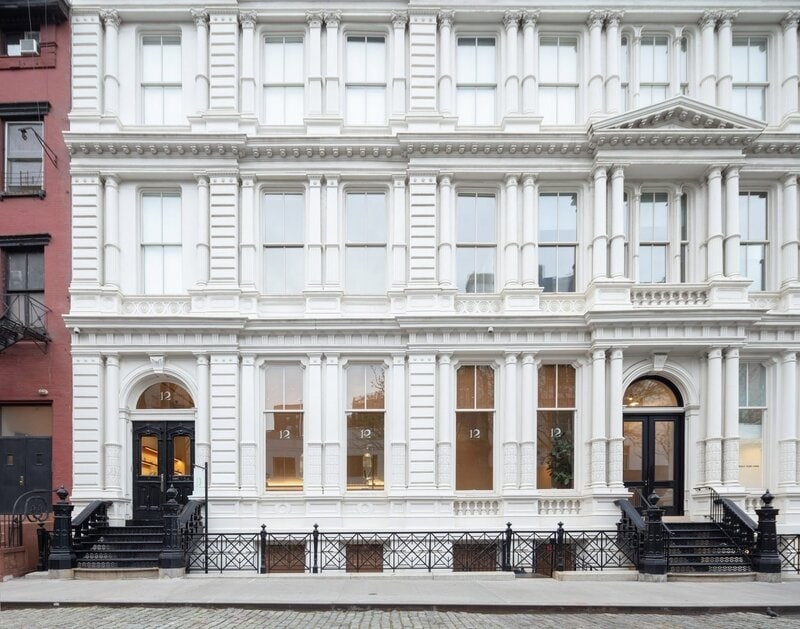
The new 12 Matcha café on Bond Street in Manhattan introduces a minimalist café interior designed by Paris-based studio Ciguë. Drawing inspiration from Japanese aesthetics and the rich hue of matcha, the space features a palette of concrete, green lacquer, and brushed stainless steel—a large central counter anchors the room, with seating arranged for both quiet reflection and social gathering. The design strikes a balance between urban grit and organic calm, complementing the tea brand’s identity.
This minimalist café interior is a deliberate fusion of cultural cues and design restraint. Ciguë’s vision plays with contrast; hard materials softened by natural tones and textures. Subtle details, such as the hand-applied green lacquer on custom furniture and translucent resin shelving, add refinement without excess. 12 Matcha’s physical space mirrors the ritual of tea itself: intentional, present, and sensory. It offers New York’s downtown scene a sophisticated place to slow down and savor.
Image Credit: Naho Kubota
Key Themes Behind This Trend
- Cultural Fusion Design
- The integration of diverse cultural elements in design creates new opportunities for unique aesthetic experiences.
- Minimalist Urban Spaces
- Demand for minimalist interiors in urban settings is shifting, focusing on simplicity with a touch of local flavor.
- Green Accent Aesthetics
- Using nature-inspired colors like the rich hue of green accents can transform commercial spaces into calming environments.
Where This Applies
- Café and Beverage
- Incorporating design elements that reflect a beverage's cultural origins can enhance brand identity and customer experience.
- Interior Design
- Minimalist design with cultural and organic influences is becoming pivotal for creating urban spaces that invite reflection and social interaction.
- Furniture and Fixtures
- Custom furniture featuring handcrafted and lacquered finishes represents a growing trend toward artisanal and personalized design.