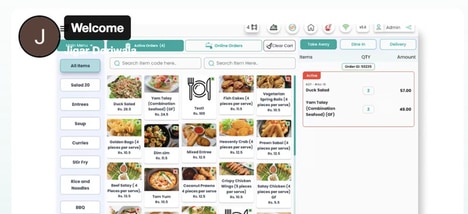
OAKBERRY has engaged the services of Qu's unified commerce platform to serve as the foundational technology for its planned growth across the United States market. This operational innovation integrates point-of-sale systems, self-service kiosks, kitchen display monitors, and a proprietary edge computing unit known as Qube into a single coordinated framework designed to enhance efficiency and reliability across multiple restaurant locations.
Qu's unified commerce platform emphasizes system resilience with high operational uptime, even during connectivity interruptions, and provides management tools for real-time performance analytics and remote oversight of key metrics. OAKBERRY's implementation of Qu's is reported to streamline staff training, improve order precision, and potentially increase transaction values through integrated upselling features, all while allowing for compatibility with the brand’s existing suite of digital tools for ordering and customer loyalty programs.
Image Credit: OAKBERRY x Qu's
What Makes This Trend Stand Out
- Integrated Commerce Solutions
- The advent of integrated commerce solutions for restaurants enhances operational efficiency by combining diverse technologies into a cohesive system.
- Resilient Digital Infrastructure
- Digital infrastructures that ensure operational continuity even during connectivity lapses are gaining traction, providing reliable service in diverse environments.
- Advanced Data Analytics in F&B
- The use of real-time data analytics in food and beverage service allows businesses to optimize performance metrics and drive customer engagement through data-informed decisions.
Sectors Adopting This
- Restaurant Technology Solutions
- Innovative technology platforms are transforming restaurant operations by integrating multiple systems to improve service delivery and efficiency.
- Food Service Automation
- The push for automation through self-service kiosks and kitchen display monitors streamlines workflow and enhances order accuracy within the food service sector.
- Business Intelligence for Hospitality
- Hospitality businesses are increasingly adopting sophisticated business intelligence tools to fine-tune customer experiences and manage operations more effectively.