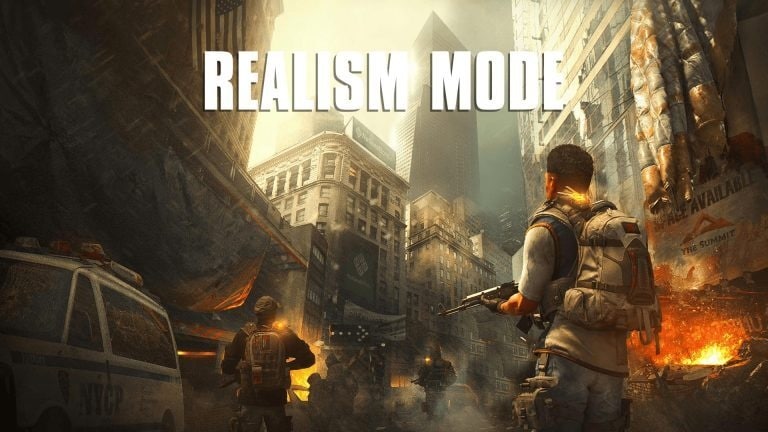
Ubisoft announced a new Realism mode for The Division 2 as part of the franchise’s tenth anniversary activities, describing the mode as a more hardcore, immersive combat experience that reduces user interface elements and increases lethality to emphasise tactical play. The developer outlined changes that include a pared‑back HUD, reduced ammunition availability, longer skill cooldowns, and adjustments to weapon damage and time‑to‑kill to reflect more realistic ballistics. The mode was presented as an optional way to play that shifts emphasis from ability‑driven encounters to careful positioning, cover use, and resource management.
From an operational perspective, Realism mode is positioned to alter player behaviour and match design by increasing the value of reconnaissance, team coordination, and conservative engagement choices. The mode’s limited UI and resource constraints are likely to affect difficulty balancing, matchmaking, and progression pacing, and may prompt players and communities to adapt loadouts and tactics accordingly. For operators and content planners, considerations include monitoring player feedback on difficulty and accessibility, assessing retention effects during the anniversary window, and determining whether elements of the mode should be retained, adjusted, or expanded in future seasonal content.
Image Credit: Ubisoft
Key Themes Behind This Trend
- Immersive Gameplay Modes
- The introduction of Realism mode highlights a growing trend towards creating immersive gaming experiences where reduced user interfaces and heightened realism enhance player engagement.
- Anniversary-based Game Content
- Ubisoft's release of a special game mode for The Division's 10th anniversary underscores the potential of leveraging milestone celebrations to reinvigorate player interest and diversify content offerings.
- Strategic Resource Management
- The focus on tactical play and resource management in new game modes showcases opportunities for deeper strategic gameplay that challenges players to plan and adapt in dynamic environments.
Where This Applies
- Video Game Development
- The evolving preference for realism and tactical gameplay in video games opens doors for developers to innovate in creating more challenging and engaging experiences that enhance player immersion.
- Gaming Event Planning
- As game franchises leverage anniversary events to introduce unique content, there is a growing market for developing creative event-driven game updates that captivate and retain player interest.
- User Interface Design
- The shift towards minimalistic user interfaces in gaming presents a lucrative opportunity for designers to experiment with simplified yet effective UI solutions that enhance realism and focus in gameplay environments.