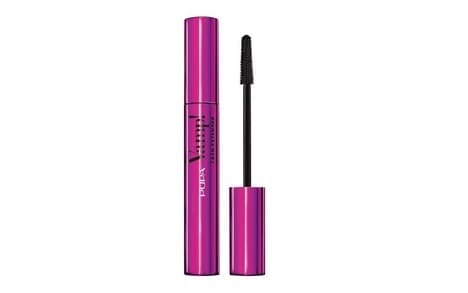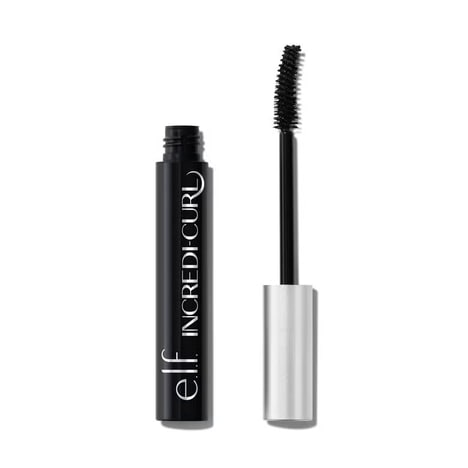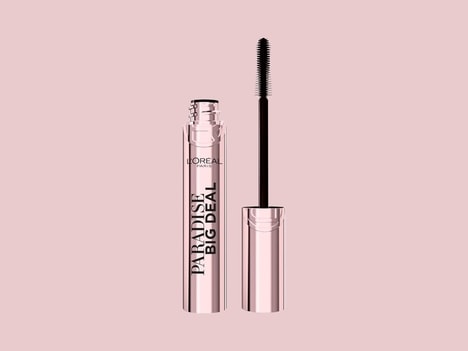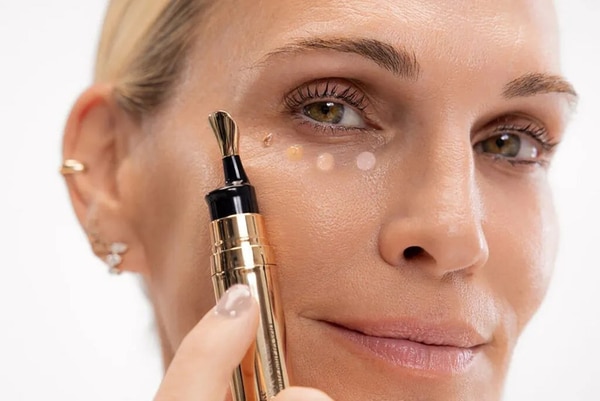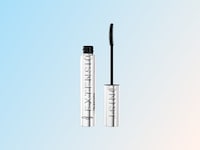
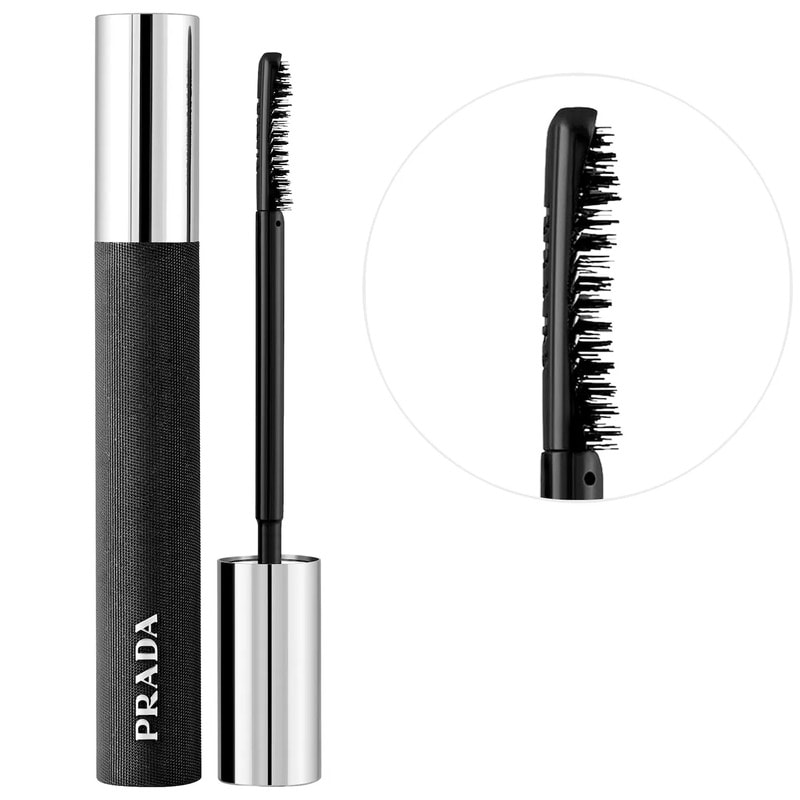
Prada has entered the competitive prestige mascara category with Pradascope, a $45 dollar lash-lifting and lengthening formula that employs Micro-film technology to create flexible, buildable tubes around each lash. This effect is applied through a hundred-and-eighty-degree grip-and-lift brush composed of nylon-fiber bristles that capture and extend lashes from root to tip.
The Pradascope also includes a hyaluronic acid complex that delivers hydration, which, in turn, improves lash elasticity and apparent density over fourteen days of continued use. The Micro-film approach distinguishes Pradascope from traditional volumizing mascaras that rely on heavy waxes to bulk up lashes at the expense of separation and from fiber mascaras that deposit synthetic filaments, which can migrate into the eye. The brand's signature Re-Nylon sustainable textile, on the other hand, maximizes surface contact without the stiff, unyielding polymer bristles that can poke or irritate the delicate lash line.
Image Credit: Prada
Why This Trend Is Growing
- Micro-film Lash Formulations
- A polymer-based micro-film that forms flexible, buildable tubes around each lash enables long-lasting lift and separation without heavy wax buildup.
- Hyaluronic Lash Care Integration
- Incorporating hyaluronic acid complexes into mascara formulas creates measurable improvements in lash hydration, elasticity, and apparent density over multiweek use.
- Sustainable Textile-infused Applicators
- Brushes and applicators engineered from recycled technical textiles increase surface contact and gentle lifting while reducing reliance on stiff synthetic bristles.
Industries Being Reshaped
- Prestige Cosmetics
- Luxury beauty brands that combine advanced film-forming chemistries with skincare actives can redefine high-end mascara performance and justify premium pricing.
- Ophthalmic Safety Testing
- Enhanced evaluation services focused on particle migration, ocular irritation, and long-term wear become critical as novel film and fiber technologies interact with the eye.
- Sustainable Materials Manufacturing
- Producers of recycled technical textiles and bio-based polymers can supply differentiated applicator and formula components that meet both performance and environmental demands.