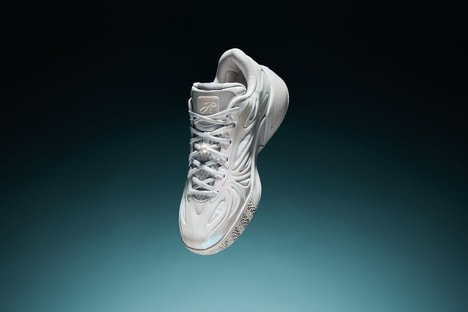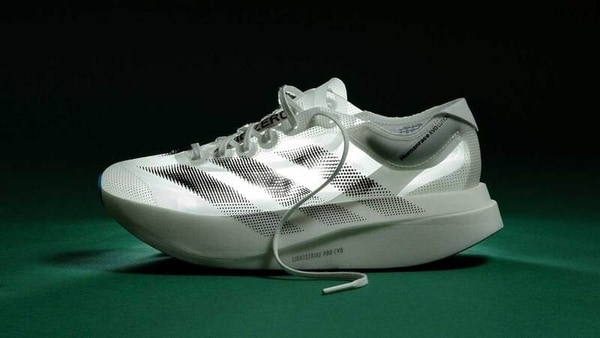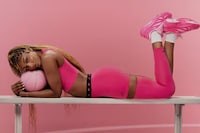

Skechers signed a multiyear deal to become an official shoe partner of the WNBA during the league's 30th season, expanding a relationship that began in 2024 when Rickea Jackson became the first athlete to wear Skechers Basketball footwear in the league. The Skechers WNBA partnership also includes Washington Mystics forward Kiki Iriafen and three-time WNBA champion Jackie Young of the Las Vegas Aces.
The deal places Skechers Basketball across league activations and fan experiences throughout the season, with a footwear lineup spanning the 'SKX NEXUS,' 'SKX Full-Court Press,' 'SKX Resagrip' and 'SKX Reign' models.
As women's basketball reaches unprecedented commercial momentum, Skechers shows that building athlete relationships ahead of a formal league deal can establish authentic product credibility before a brand officially takes the court.
Image Credit: Skechers
What Makes This Trend Stand Out
- Athlete-first Brand Partnerships
- Early, individual athlete relationships are reshaping how brands build credibility and can lead to new models for staggered market entry before formal league deals.
- Women's Sports Commercialization
- Rapidly growing commercial momentum in women's leagues is creating large-scale sponsorship inventory and audience segments that challenge traditional sports marketing allocations.
- Performance-focused Lifestyle Footwear
- Blending on-court performance features with everyday lifestyle aesthetics opens pathways for hybrid products that compete across athletic and casual markets.
Sectors Adopting This
- Sports Apparel
- Product lines emphasizing both performance and style are positioned to disrupt seasonal merchandising through crossover collections tied to athlete narratives.
- Sports Marketing and Media
- Content strategies centered on authentic athlete stories and localized fan activations are redefining sponsorship value and measurement frameworks.
- Athletic Footwear Technology
- Advances in cushioning, traction and modular design present opportunities for differentiated shoe platforms tailored to gender-specific biomechanics and multi-use wear.