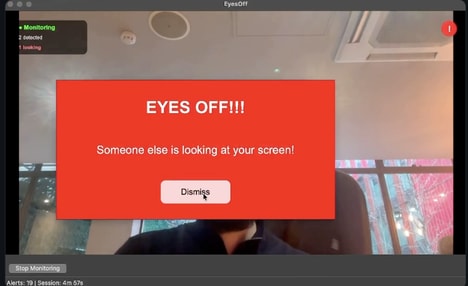

Keeping track of complex digital workflows can be difficult when tasks require constant attention and manual checking. Observer AI is an open-source platform that enables local AI agents to observe screens, log activity, react to events, and send notifications based on user-defined actions.
The platform allows users to create personalised automations, such as receiving alerts when a video render completes, capturing key topics from online meetings, or starting recordings when specific events occur. Designed with privacy in mind, Observer AI keeps processing local while giving users more control over how their digital environments are monitored. By combining AI observation with custom workflows, the platform helps automate repetitive tasks and create smarter interactions between users and their devices. Observer AI gives individuals and teams a flexible way to build AI assistants that understand and respond to what is happening on screen.
Image Credit: Observer AI
Part of the cluster
Guided Automation
Work software is shifting from static tools to comprehensive editable assistants
Explore the cluster
What Makes This Trend Stand Out
- Local AI Monitoring
- Privacy-preserving screen intelligence creates room for workflow tools that analyze user activity without transmitting sensitive data to external servers.
- Event-based Automation
- Context-aware triggers can transform passive software into responsive systems that react automatically when specific digital milestones occur.
- Personal Workflow Agents
- Customizable desktop assistants suggest a shift toward individualized automation layers that understand and support unique task patterns.
Sectors Adopting This
- Productivity Software
- AI screen observation introduces new value for task management platforms by reducing manual checking across complex digital workflows.
- Cybersecurity
- Local-first monitoring models align with enterprise privacy needs while enabling safer oversight of sensitive on-screen activity.
- Remote Collaboration
- Meeting analysis and automated capture features point to smarter collaboration tools that summarize, record, and contextualize team interactions.