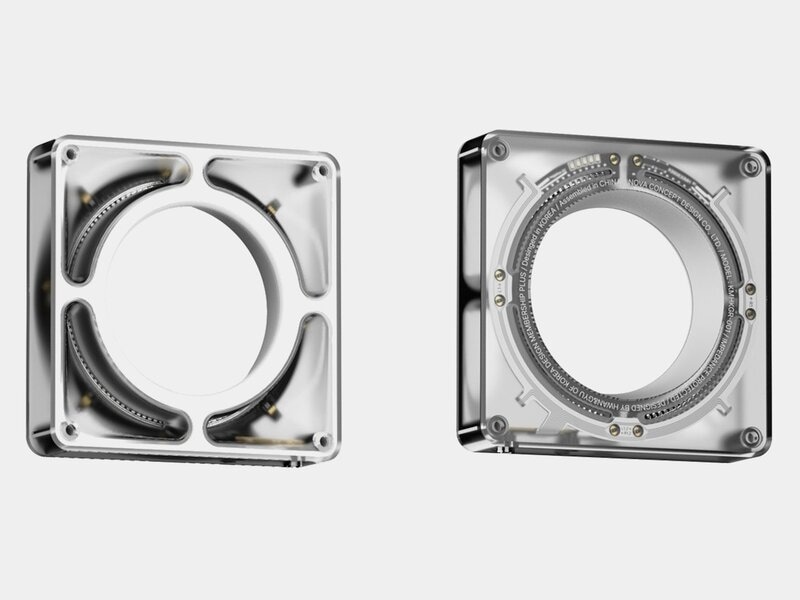
The NOVA cooler explores a fanless approach to desktop cooling by using ion wind instead of spinning blades. The concept positions a circular array of electrodes around a shaped intake, creating a charged airflow that moves air through the frame without mechanical parts. The tapered channel strengthens the air stream as it exits, helping direct cooling toward internal components much like a standard case fan would. The design aims to reduce noise, lower dust buildup, and eliminate the wear associated with motors or bearings. Its minimal form also allows it to fit in the same mounting points normally used for case fans, making integration more practical for different PC setups.
The ion-wind method supports steady airflow while keeping the operation nearly silent, which is useful for workstations or quiet home builds. The open structure avoids the turbulence caused by spinning blades, offering smoother movement of air through the system. Although still a concept, the NOVA cooler suggests how future PC cooling could shift toward electric airflow systems that provide stability and performance without mechanical noise. The design presents a new direction for enthusiasts seeking cleaner, quieter, and more durable thermal solutions.
Image Credit: Minhwan Kim, Gyuri Kim
Why This Trend Is Growing
- Fanless Cooling Solutions
- A shift toward fanless cooling solutions signals a transformative approach in thermal management by using ion wind technology to maintain silent, efficient systems.
- Electric Airflow Systems
- Electric airflow systems represent an emerging trend, highlighting the potential for innovative cooling mechanisms that operate without the traditional mechanical components.
- Silent Computing
- The quest for silent computing is gaining momentum, with technologies like ion wind cooling promising to drastically reduce operational noise in high-performance environments.
Industries Being Reshaped
- Computer Hardware
- In the computer hardware industry, ion-wind technology offers a groundbreaking alternative to traditional fan-based cooling, promising quieter and more efficient computing solutions.
- Consumer Electronics
- Consumer electronics could see significant advancements with the implementation of ion wind cooling, offering users quieter and more reliable devices that operate under reduced acoustic disturbances.
- Data Centers
- Data centers can benefit from ion-driven cooling systems, which present a sustainable and enduring method for handling the thermal demands of densely packed servers without the drawbacks of mechanical systems.