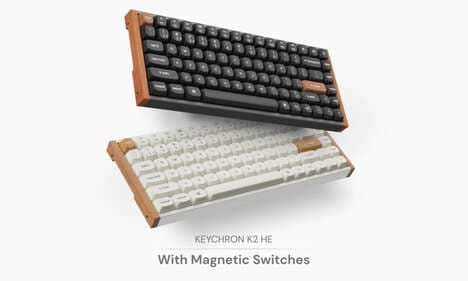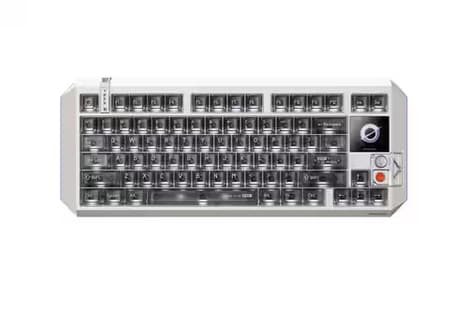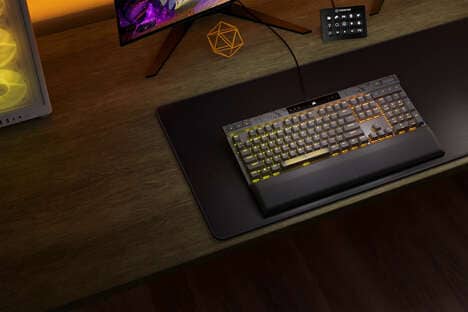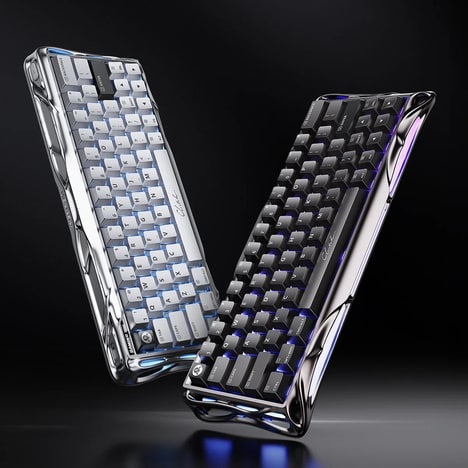
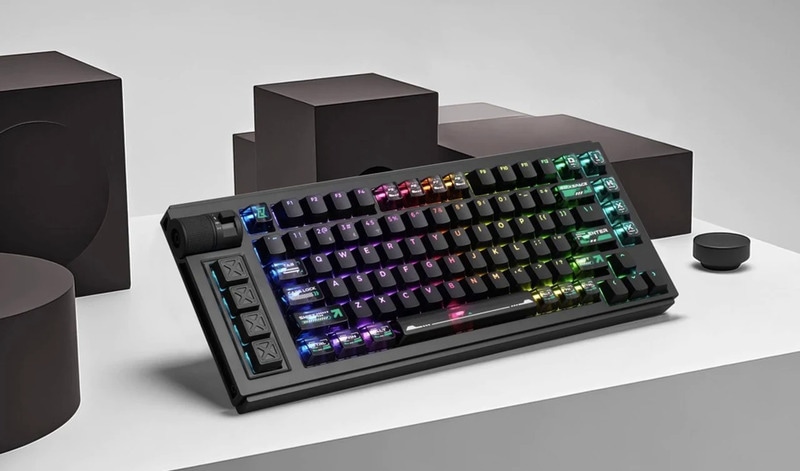
The Lemokey L1 HE Wireless Magnetic Switch Custom Gaming Keyboard has been formally debuted by the brand as a high-performance peripheral engineered with a personalized experience in mind. The peripheral is equipped with Gateron Double-Rail Magnetic Switches and Hall effect sensors that will offer adjustable actuation points ranging from 0.2mm to 3.8mm. Users can also enjoy Rapid Trigger technology to maximize their performance during gameplay.
The Lemokey L1 HE Wireless Magnetic Switch Custom Gaming Keyboard also accommodate extensive customization capabilities with up to four actions for each key, depending on the depth of the press. The peripheral is built with a full metal body and is powered by the QMK open-source firmware to maximize compatibility with all major operating systems and more.
Why This Trend Is Growing
- Adaptive Customization
- The rise of peripherals with adjustable actuation points and customizable actions for each key offers opportunities to tailor user experience to personal preferences, effectively enhancing performance.
- Magnetic Switch Technology
- Utilizing Gateron Double-Rail Magnetic Switches in keyboards introduces a new level of precision and responsiveness, shifting the paradigm for input devices in both gaming and professional environments.
- Open-source Firmware Integration
- Integrating open-source firmware like QMK into consumer electronics promotes increased compatibility and innovation, allowing for extensive community-driven enhancements and personalization.
Industries Being Reshaped
- Gaming Peripherals
- The development of high-performance gaming peripherals with features like rapid trigger and extensive customization caters to a growing demand for competitive gaming advantages.
- Consumer Electronics
- Advancements in keyboard technology, such as the adoption of magnetic switches, represent a significant innovation within the broader consumer electronics market, enhancing user interaction interfaces.
- Open-source Software
- The inclusion of open-source firmware in hardware products opens pathways for collaborative innovation and wide-ranging application in device compatibility across different platforms.