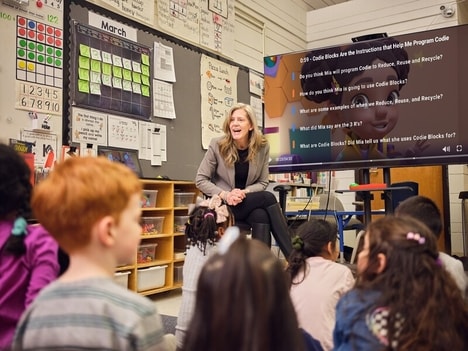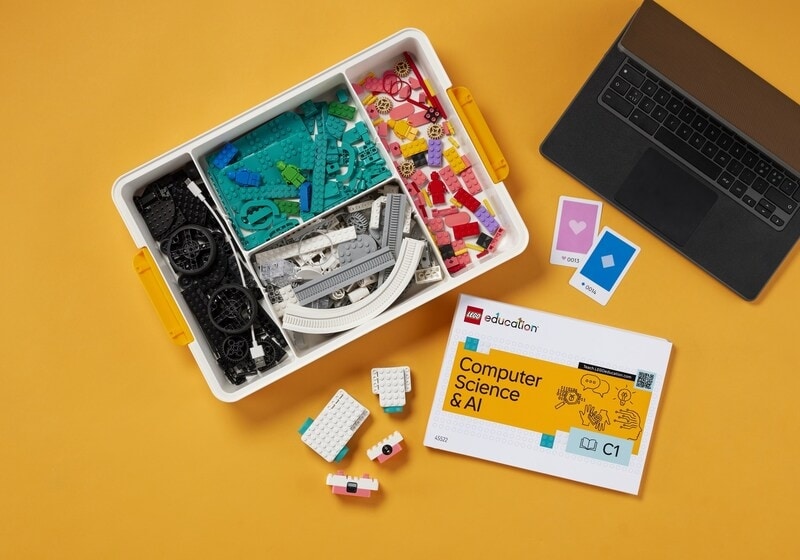
LEGO Education has announced a new comprehensive educational package named 'LEGO Education Computer Science & AI.' This offering is designed to instruct students from kindergarten through eighth grade on foundational principles of computing and artificial intelligence.
The LEGO Education Computer Science & AI solution utilizes physical building components, interactive hardware, and a structured digital curriculum to create a tactile and collaborative learning environment intended to demystify complex technological concepts. The product is framed as a direct response to identified gaps in contemporary classroom resources. At its core, it aims to replace more passive, screen-centric learning methods with interactive group activities.
For school districts, the LEGO Education Computer Science & AI program offers a scalable method to expand STEM access. Launching in April 2026, the cost per student is $84.98.
Image Credit: LEGO Education
Why This Trend Is Growing
- Interactive STEM Education
- By integrating physical building blocks and interactive modules, the LEGO program creates engaging hands-on experiences that reimagine traditional STEM education methods.
- AI-powered Learning Tools
- Utilizing artificial intelligence in educational programs, this innovation offers children personalized and adaptive learning experiences that evolve over time.
- Early Childhood Tech Literacy
- Programs aimed at building technical proficiency from a young age are addressing the burgeoning need for tech-savvy skills in future generations.
Industries Being Reshaped
- Educational Technology
- Blending tangible learning tools with digital curricula, this industry is increasingly focusing on creating immersive and interactive educational experiences for young learners.
- Toys and Learning Aids
- Capitalizing on the intersection of play and technology, this sector is innovating products that embed educational value within play itself.
- K-12 Education
- Faced with bridging the digital literacy gap, this industry is integrating more advanced technologies into classrooms to prepare students for future demands.