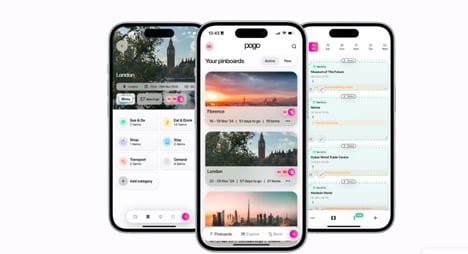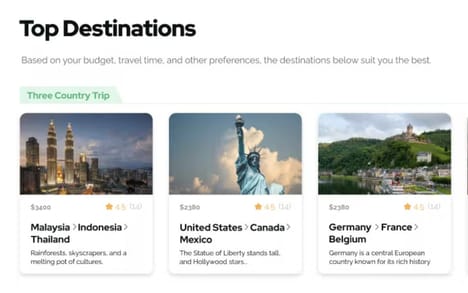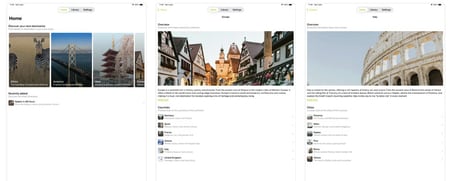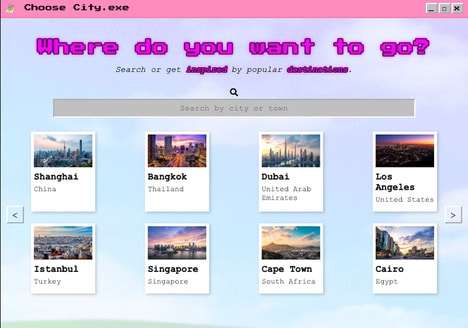
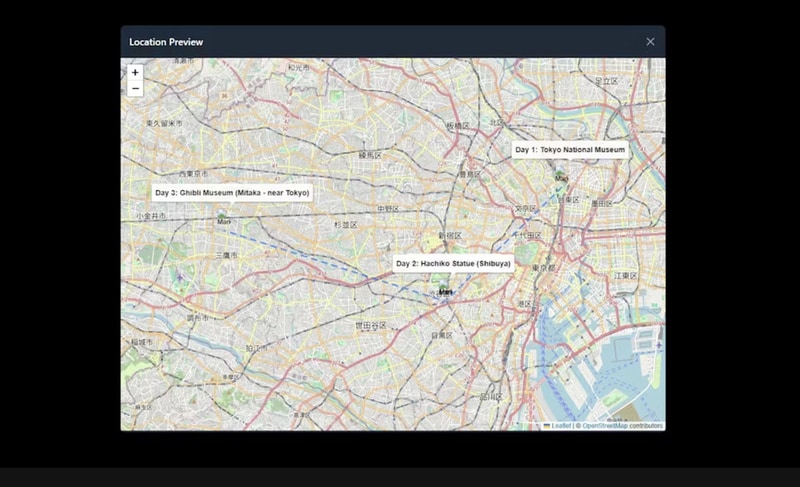
Itinerary Planner is a digital travel planning tool designed to help users organize trips through structured schedules and destination-based recommendations. It enables the creation of personalized itineraries by combining activities, locations, and timing into a single coordinated plan.
Users can explore destinations and assemble travel routes based on preferences, duration, and travel goals. The platform is typically used by individual travelers, families, and travel planners seeking to streamline trip preparation. By centralizing planning elements, it reduces the need for multiple separate tools such as maps, booking notes, and schedule lists. It reflects a broader trend in travel technology focused on personalization and simplified trip organization. The primary function of Itinerary Planner is to support efficient travel planning by providing a structured framework for organizing experiences and logistics, helping users visualize and manage their trips before and during travel.
Image Credit: Itinerary Planner
Why This Trend Is Growing
- Hyper-personalized Itineraries
- Profiles that synthesize user preferences, past behavior, and micro-segmentation would enable itineraries tailored to individual rhythms and niche interests, shifting demand toward bespoke travel experiences.
- Real-time Contextual Planning
- Dynamic adjustment of schedules using live data such as weather, transit and local events could transform static plans into adaptive travel flows that respond to conditions on the ground.
- Platform Consolidation
- Converging booking, mapping, payments and social discovery into a single interface has the potential to replace fragmented toolchains and create seamless end-to-end planning ecosystems.
Industries Being Reshaped
- Online Travel Agencies
- OTA offerings that embed modular itinerary planning and adaptive scheduling could reshape customer retention by turning one-off bookings into continuous trip management relationships.
- Hospitality and Lodging
- Accommodation providers integrating localized activity recommendations and synchronized scheduling could shift value perception from room-only stays to curated experience packages.
- Location-based Technology
- Mapping and real-time data companies that expose APIs for itinerary orchestration may enable new middleware layers that power interoperable travel experiences across vendors.