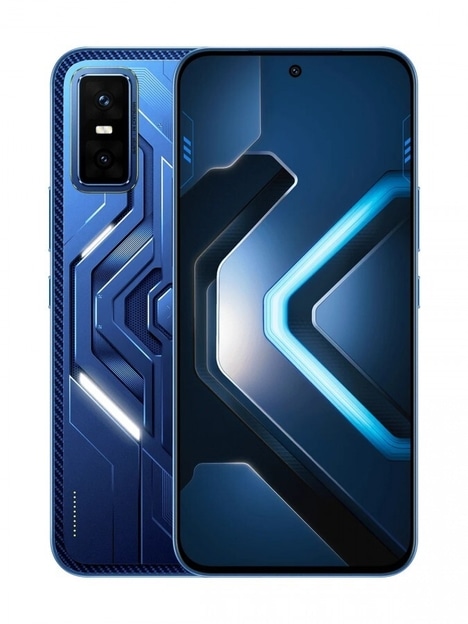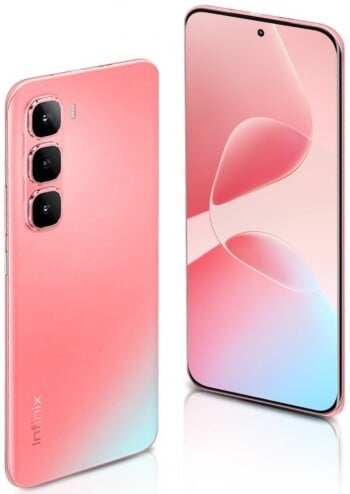
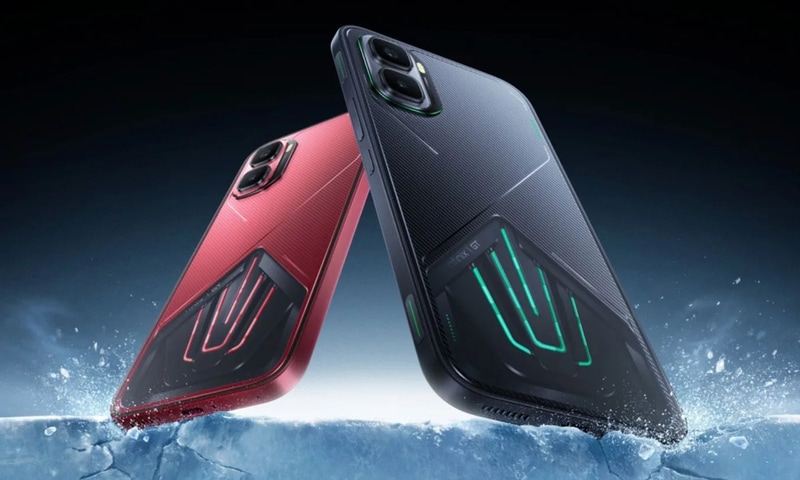
The Infinix GT 50 Pro gaming smartphone has been developed by the brand as an optimized mobile device that aims to solve the issue of overheating once and for all. The smartphone is engineered with the HydroFlow Liquid Cooling Architecture that makes use of a piezoelectric-driven ceramic heat pump to circular coolant through a series of etched channels at a rate of 6.5ml per minute. The cooling system will cover 100% of the area on the smartphone that produces the most heat and could help to preserve long-term battery health when paired with the GT Magcharge Cooler 2.0 with its wireless charging and active thermoelectric cooling.
The Infinix GT 50 Pro gaming smartphone puts a 6.78-inch 1.5K screen in the spotlight along with a MediaTek Dimensity 8400 chip, 12GB of RAM, 256GB or 512GB of storage and a 6,500mAh battery.
Image Credit: Infinix
Key Themes Behind This Trend
- Micro-pump Liquid Cooling Smartphones
- A shift toward piezoelectric-driven micro-pumps circulating coolant across phone internals signals potential for drastically higher sustained performance in compact devices.
- Full-surface Active Cooling
- Coverage of 100% of heat-generating areas indicates new opportunities for thermal designs that preserve battery lifespan and enable prolonged high-load use.
- Integrated Charging-thermal Modules
- Combining wireless charging with active thermoelectric cooling points to module-level convergence that can reduce charging-induced thermal stress and accelerate device adoption among power users.
Where This Applies
- Smartphone Gaming Devices
- High-performance mobile gaming hardware stands to be redefined by sustained thermal management that maintains peak CPU/GPU throughput during extended sessions.
- Mobile Thermal Components
- Manufacturers of pumps, micro-channels, and thermoelectric elements may see demand for compact, low-noise thermal subsystems tailored to slim form factors.
- Battery and Energy Storage
- Advances in active cooling architectures could influence battery chemistry selection and pack design to prioritize longevity and fast-charge compatibility under sustained loads.