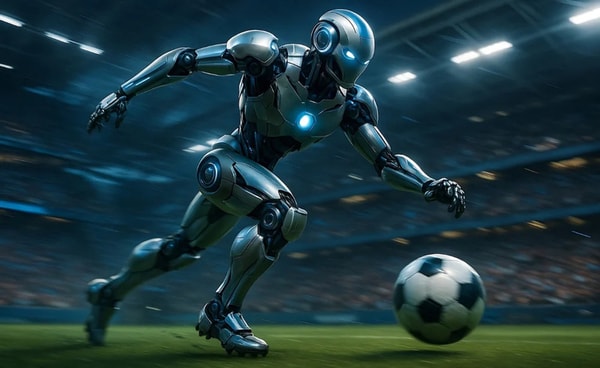
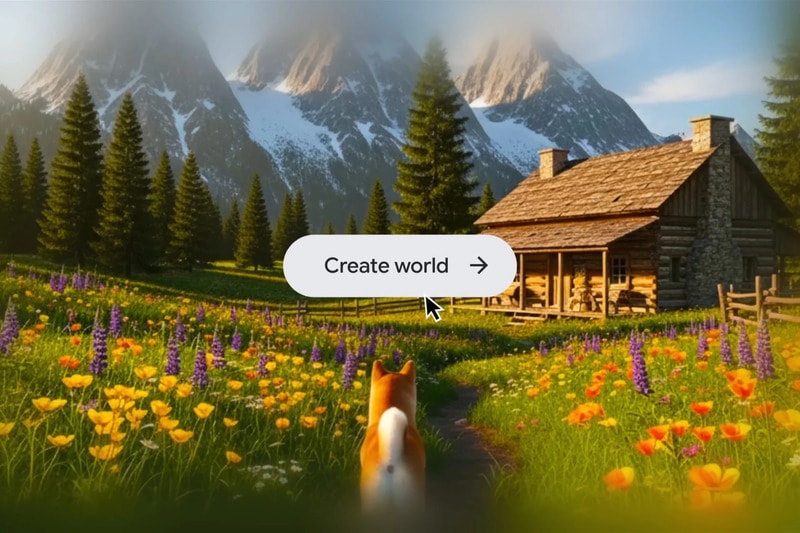
Google's Project Genie is a new DeepMind-enabled web app that lets users generate explorable virtual environments from simple text prompts or uploaded images. Available to U.S.-based Google AI Ultra subscribers aged 18 and over, the tool translates ideas like alien landscapes or retro cityscapes into interactive scenes featuring drivable vehicles or controllable characters. The experience runs directly in the browser, with worlds rendered in real time as users navigate.
Project Genie draws on the Genie 3 model, which Google first previewed in 2025, and combines it with the Nano Banana Pro image engine and Gemini for prompt interpretation. Users can import custom artwork or photos as characters and objects, define how elements behave, and remix existing environments from a shared library. The system continuously generates new frames as players move, enabling reactive moments such as GPS maps updating or objects changing color when touched.
For consumers and creators, Project Genie signals a broader shift toward instant, no-code worldbuilding tools that reduce prototyping time. Game designers, filmmakers, and educators can quickly visualize concepts, test interactions, or simulate scenarios such as disaster-response training without specialized skills. Its short, 60-second sessions and evolving control features illustrate an emerging trend in AI-driven experiential content, where what sets it apart is the ability to move through personally imagined spaces rather than passively viewing them.
Image Credit: Google DeepMind
Key Themes Behind This Trend
- Instant No-code Worldbuilding
- Advancements in AI technology enable users to effortlessly create complex virtual environments without the need for coding skills.
- AI-driven Experiential Content
- The rise of AI-generated content allows users to engage interactively with customizable scenarios for personal and professional purposes.
- Real-time Visual Prototyping
- Seamless real-time rendering capabilities transform how designers and educators visualize and test new ideas.
Where This Applies
- Gaming
- Dynamic world-creation tools revolutionize how gaming experiences are crafted and personalized for individual players.
- Film & Entertainment
- AI's role in instant world generation changes the landscape for filmmakers seeking cost-effective and innovative production methods.
- Education & Training
- Interactive virtual worlds serve as powerful tools for immersive learning and realistic training simulations.