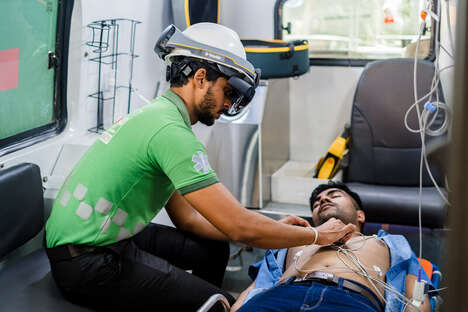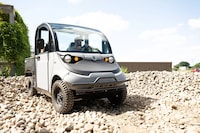

The GEM Ambulance is an electric emergency transportation solution engineered with local support in mind to help personnel seamlessly provide access to care. The vehicle from the California-based brand is designed as a low-speed ambulance that would work well for providing care in areas where localized support is required like campuses.
The vehicle would offer a 25mph top speed and come with two battery options including an AGM module and a Li-ion one, which would provide 41-miles and 86-miles of range, respectively. The vehicle would also support fast charging.
The GEM Ambulance has an enclosed cabin for two, while the rear offers support for R, F or RG QTAC skin options. The vehicle also features mounts for oxygen bottles, IVs and more.
Image Credit: Waev Inc
What Makes This Trend Stand Out
- Low-speed Medical Transport
- This trend highlights the rise of electric ambulances optimized for short-distance, local medical transport, potentially transforming patient care logistics in restricted or high-traffic areas.
- Campus-focused Emergency Vehicles
- The emergence of specialized emergency vehicles designed for campuses or similar environments promises enhanced accessibility and faster response times for medical emergencies within these locales.
- Multi-battery Electric Innovations
- Offering multiple battery options in electric vehicles presents a flexible approach to energy management, catering to different operational needs and range requirements.
Sectors Adopting This
- Electric Vehicle Manufacturing
- Advancements in electric vehicle technology in sectors such as emergency services reveal substantial opportunities for sustainable innovation and growth.
- Emergency Healthcare Services
- The integration of electric, low-speed ambulances into emergency healthcare services may redefine mobile health response dynamics, especially in urban and campus settings.
- Campus Security and Safety
- Institutions focusing on securing their premises could benefit from adopting specialized transport solutions like electric ambulances to enhance their on-site emergency response capabilities.