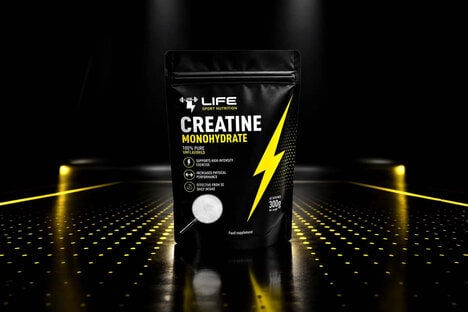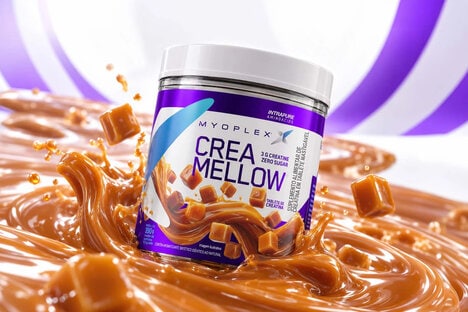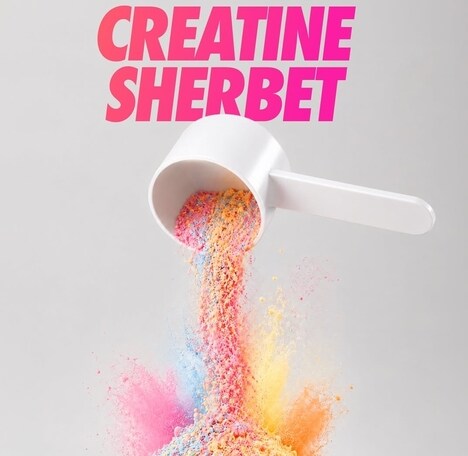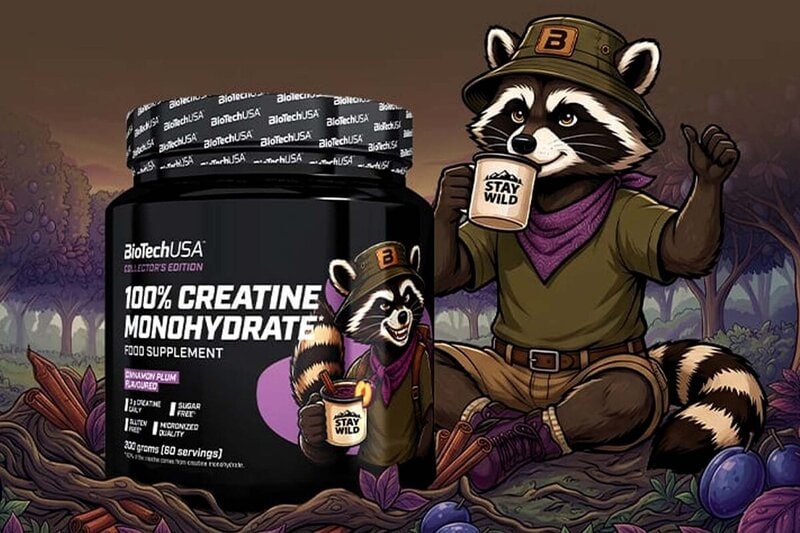
BioTech is expanding its creatine lineup with a 'Cinnamon Plum' take on '100% Creatine Monohydrate,' adding a warmer, tea-like flavor to daily mixing. Instead of another neutral scoop, the formula blends sweet plum and cinnamon into a fall-focused version of a familiar training staple.
Real cinnamon powder reinforces the spice profile, helping the flavor come through more like autumn fruit tea than a candy-style add-on. It comes in a 300 g tub with 60 servings, keeping the routine familiar while making the shaker a little more sensorial. Each serving still delivers 3.5 g of creatine monohydrate, so the flavor change does not turn it into a novelty powder.
For shoppers, this means a muscle-building staple can feel more seasonally curated rather than staying plain year-round. It also gives fall flavor a place in a product that is usually bought for function alone.
Image Credit: Stack3d
What Makes This Trend Stand Out
- Seasonal Sports Nutrition
- Seasonal flavoring brings limited-time emotional appeal into performance staples, creating room for functional products that refresh purchase interest without changing core benefits.
- Tea-inspired Supplements
- Warm fruit-and-spice profiles position powdered supplements closer to comforting beverage rituals, signaling potential for crossover formats between wellness routines and sensorial drink experiences.
- Ingredient-forward Flavoring
- Real spice inclusions add authenticity to flavored fitness powders, supporting premium differentiation in categories often dominated by artificial or candy-like taste profiles.
Sectors Adopting This
- Sports Nutrition
- Flavor-led variations of proven ingredients expand how creatine and similar staples can be merchandised beyond performance claims into lifestyle-driven daily routines.
- Functional Beverages
- Powdered supplement formats with tea-like flavor cues blur the line between shaker products and wellness drinks, opening space for hybrid hydration, recovery, and comfort-positioned offerings.
- Flavor and Ingredients
- Natural spices and seasonal fruit pairings offer suppliers new relevance in active nutrition, where sensory complexity can become a differentiator for otherwise commoditized formulas.