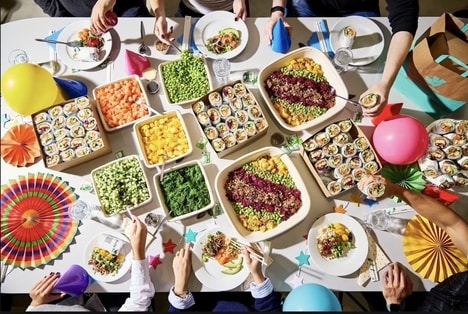
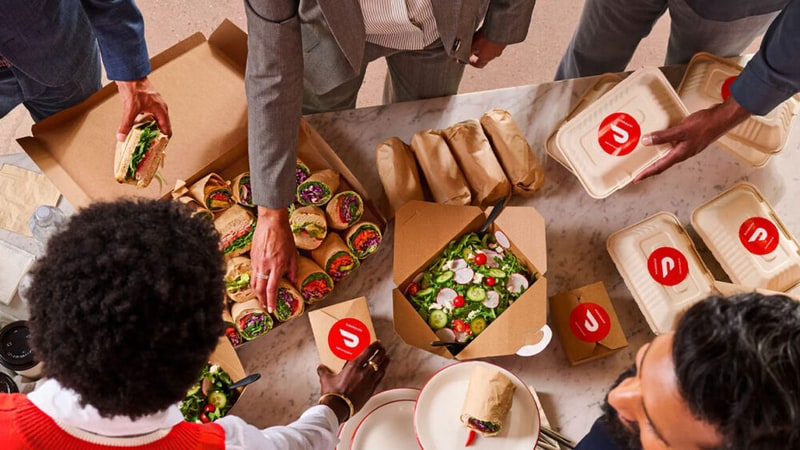
DoorDash for Business Meal Manager has been created by the brand as a seamless tool for its professional customers to help them streamline daily team lunches and more. The platform will enable team members to choose their own meals when workplace ordering is in place, which will then all be delivered at the same time to encourage eating together. The platform responds to the push back to in-office for many employees as businesses aim to accelerate innovation by fostering more collaboration between teams.
General Manager for Business Katie Egan commented on the DoorDash for Business Meal Manager and catering saying, "There’s something about a great meal that gets people off their screens and actually talking to each other. As companies double down on bringing people back together, food has become one of the most powerful drivers of connection in the office. We built Meal Manager and catering to make in-person connections happen as often as possible — without making it an admin’s full-time job.”
Key Themes Behind This Trend
- Personalized Team Meal Ordering
- A shift toward individual meal selection within group orders creates opportunities for platforms that leverage employee preference data to optimize menu personalization and corporate catering economics.
- Synchronized Delivery for Group Dining
- Coordinated drop-offs at a single timepoint are enabling innovations in last‑mile logistics and time‑sensitive batching that can reduce costs and improve the on‑site dining experience.
- Food-driven Workplace Engagement
- Rising emphasis on shared meals as a tool for collaboration points to new products and services that integrate social programming with meal delivery to strengthen in‑office culture.
Where This Applies
- Corporate HR and People Ops
- Human resources is positioned to adopt meal programs as part of employee engagement and return‑to‑office strategies that tie food benefits to retention and team cohesion metrics.
- Office Catering and Food Service
- Traditional caterers and campus dining operators are facing pressure to evolve toward flexible, individually customizable offerings and tech-enabled scheduling to serve hybrid teams.
- Food Tech and Logistics
- Companies in food technology and delivery logistics can exploit demand for synchronized corporate orders by developing routing algorithms and micro‑fulfillment networks tailored to timed group deliveries.