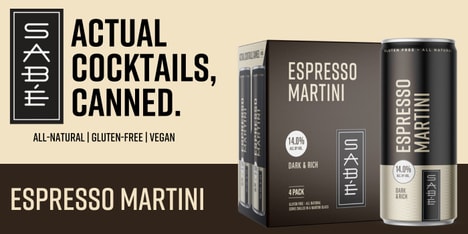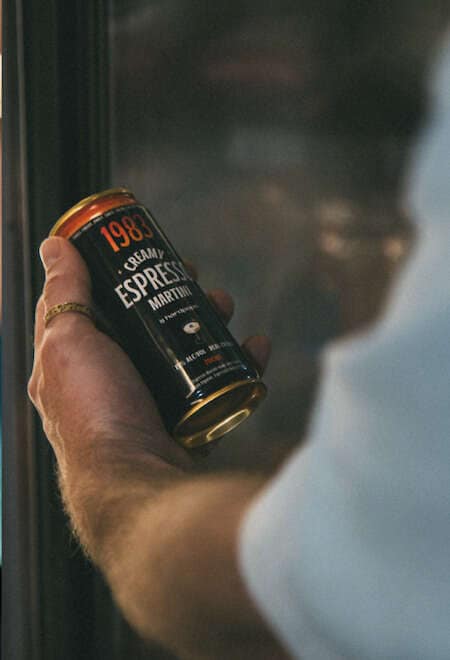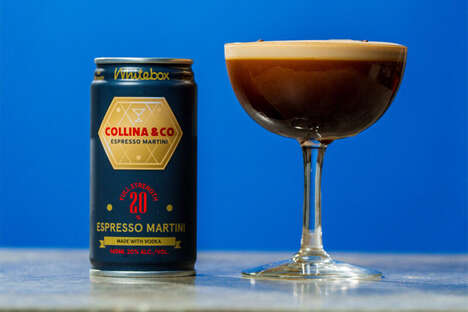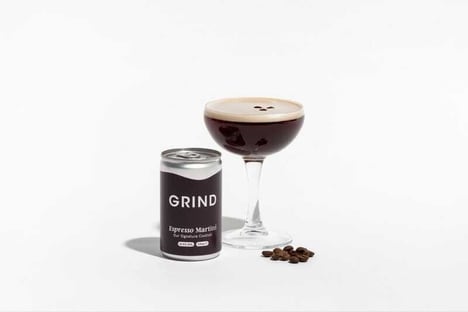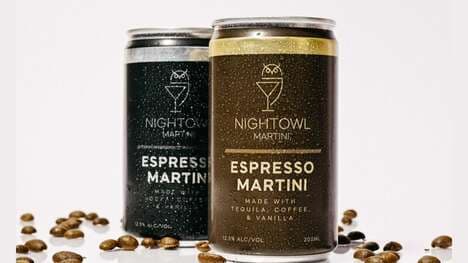
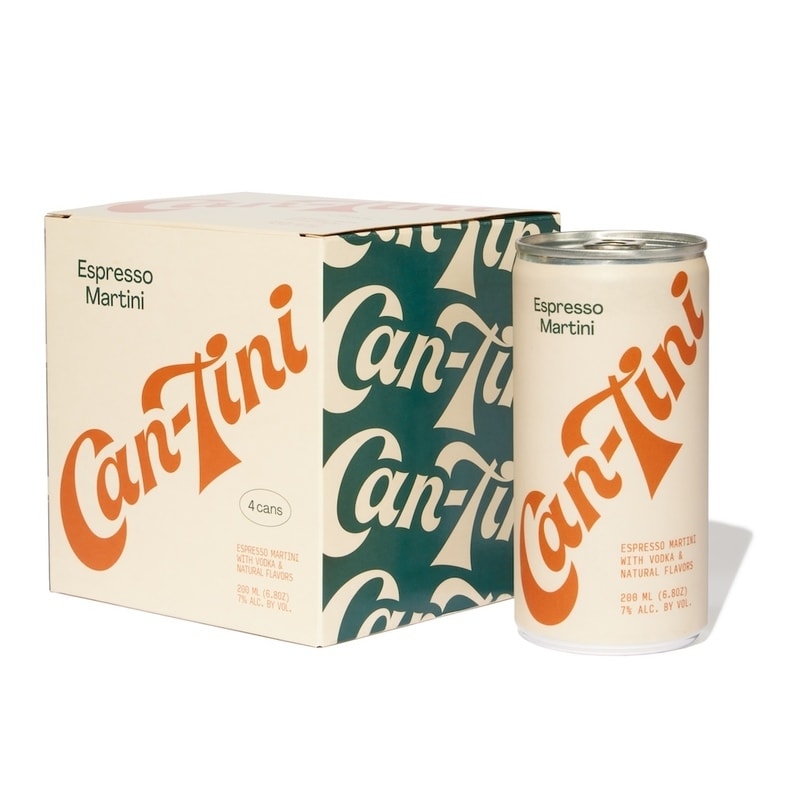
The espresso martini has made a stylish resurgence, and bar-quality versions like the Can-Tini are now conveniently available in sleek, ready-to-drink cans. This nitrogen-infused espresso martini in a can is coffee-forward, made with natural ingredients, and features notes of cinnamon and dark chocolate. Thanks to its unique features, the Can-Tini delivers a smooth and creamy experience from start to finish.
"Can-Tini was built to deliver a premium cocktail experience without compromise–something you could enjoy anywhere, anytime, without losing the integrity of a great espresso martini,” Henry Rathjen, Founder of Can-Tini.
With the growing popularity of espresso martinis and the demand for premium ready-to-drink cocktails, Can-Tini delivers the flavor and convenience modern cocktail culture demands. Can-Tini was recently acquired by High Basin Brands, a Texas-based spirits company focused on scaling beverage breakout brands.
What Makes This Trend Stand Out
- Nitrogen-infused Beverages
- The incorporation of nitrogen infusion in drinks like espresso martinis creates opportunities for smoother and creamier beverage experiences in ready-to-drink formats.
- Premium Ready-to-drink Cocktails
- With the rise of convenient, bar-quality cocktails in a can, there's an exciting potential for growth in the premium ready-to-drink cocktail market.
- Coffee-infused Alcoholic Drinks
- The fusion of coffee flavors with alcoholic beverages, as seen in espresso martinis, opens new avenues for innovation in the hybrid beverage space.
Sectors Adopting This
- Alcoholic Beverages
- Transformations prompted by innovations like nitrogen-infused cocktails are reshaping consumer expectations and setting new standards in the alcoholic beverage industry.
- Canned Beverage Industry
- The growing preference for portable, high-quality cocktail experiences is driving expansion and opportunities for differentiation within the canned beverage market.
- Coffee Industry
- The integration of coffee elements into alcoholic drinks highlights a novel crossover trend, presenting diversification opportunities within the coffee industry.