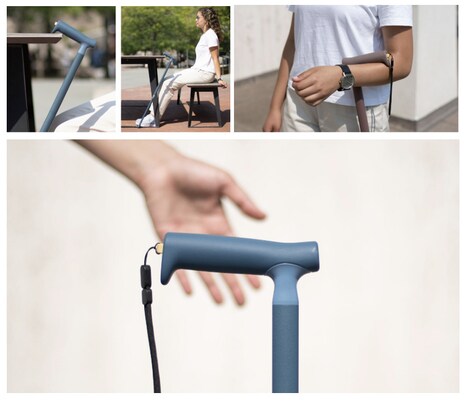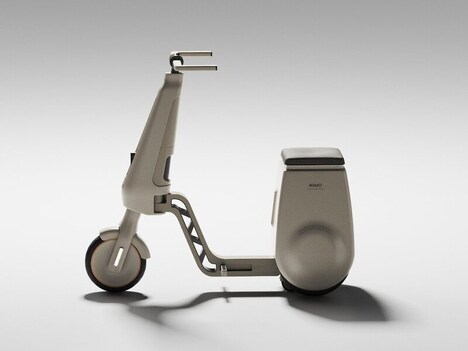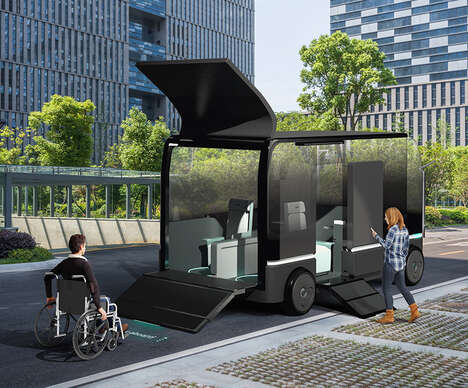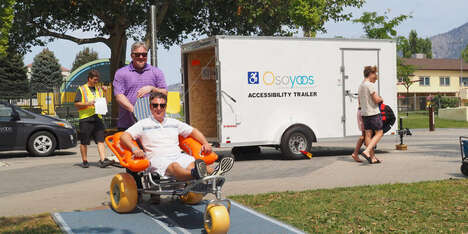
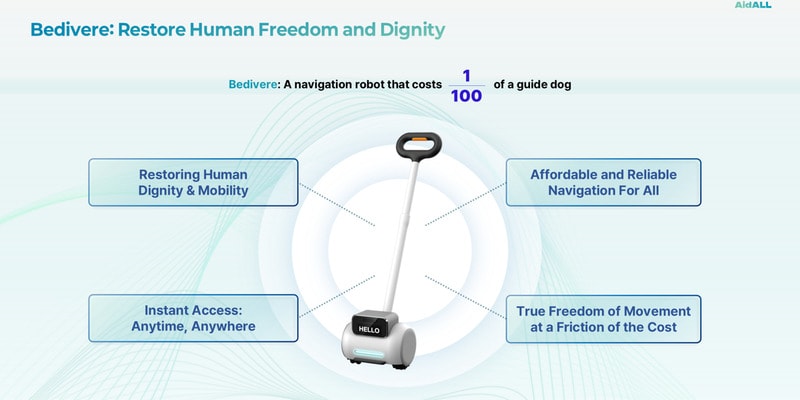
Bedivere brings independent, reliable navigation to people with visual impairments by combining real-time perception and offline autonomy with effortless usability.
Millions of visually impaired individuals face uncertainty when navigating crowded streets and complex indoor spaces. And where traditional aids often fall short—missing overhead obstacles or being unreliable in terms of location-based guidance—Bedivere uses on-device AI to interpret the environment in real time, charting safe paths without reliance entirely offline. Lightweight and intuitive, this AidALL device works immediately out of the box, offering a practical, maintenance-free alternative to some other mobility aids, and at a fraction of the cost of a guide dog.
This CES 2026 Innovation Awards Honoree was recognized in Artificial Intelligence, as well as Products in Support of Human Security for All.
What Makes This Trend Stand Out
- On-device AI Advancements
- Combining on-device AI with offline capabilities allows for real-time environmental perception, enhancing autonomy for assistive technologies.
- Affordable Assistive Tech
- Cost-effective solutions offer a significant competitive edge over traditional high-cost aids like guide dogs, revolutionizing accessibility.
- Seamless Usability in Mobility Aids
- Devices prioritizing intuitive user interfaces and immediate functionality are redefining the standards for assistive mobility tools.
Sectors Adopting This
- Artificial Intelligence
- Innovations in AI-driven devices provide new functionalities in assistive tools, particularly enhancing navigation for visually impaired users.
- Health and Supportive Devices
- The development of new health-related supportive technologies focuses on creating safer and more autonomous mobility solutions.
- Accessibility Solutions
- Growth in accessibility-driven technologies is addressing key challenges faced by visually impaired individuals through innovative navigation aids.