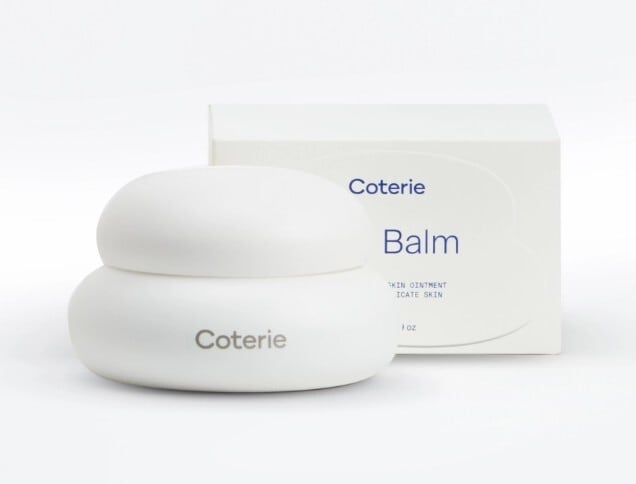
Coterie’s 'Bun Balm' is a versatile and plant-based baby balm that is designed to protect and nourish sensitive infant skin.
This vegan and hypoallergenic balm is crafted with plant-derived oils including coconut oil, grape seed oil, meadowfoam seed oil and shea butter. These ingredients work together to hydrate and soften the skin while reinforcing the developing skin barrier, which plays a key role in protecting babies from moisture loss and external irritants.
Unlike many conventional diaper creams on the market, this baby balm is formulated without petrolatum or zinc oxide. It also doesn't use additive ingredients like artificial fragrances, parabens, and dyes.
While soothing of the diaper area is the most obvious use case for this baby balm, it is also designed to be used on skin folds and other dry or exposed areas.
Image Credit: Coterie
What's Driving This Trend
- Plant-based Infant Care
- A shift toward botanical ingredients for newborns creates space for formulations that replace petroleum-derived barriers with nutrient-rich oils supporting natural skin barrier development.
- Clean-label Baby Skincare
- Growing parental demand for products free of fragrances, parabens, and dyes enables simpler ingredient lists that prioritize hypoallergenic profiles and transparent sourcing.
- Multi-use Gentle Formulations
- Products designed for diverse applications—diaper areas, skin folds, and dry patches—signal potential for consolidated skincare SKUs that reduce household product clutter.
Who This Affects Most
- Baby Care Products
- Formulator-driven brands can reimagine traditional diaper creams by delivering plant-derived alternatives that address both protection and nourishment without zinc oxide or petrolatum.
- Dermatological Research
- Clinical study opportunities emerge around plant oil blends and their effects on infant skin barrier maturation and moisture retention relative to conventional actives.
- Sustainable Packaging and Supply Chain
- Demand for clean, plant-based products correlates with the need for recyclable packaging and traceable ingredient supply chains that communicate environmental and ethical claims.