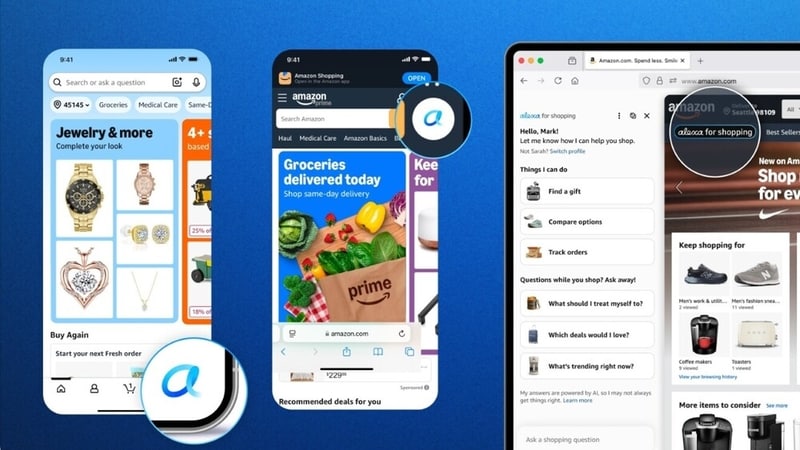
AI shopping assistants are transforming ecommerce through conversational tools that personalize product discovery, automate purchasing tasks and streamline digital retail experiences. Amazon Alexa’s latest shopping capabilities use artificial intelligence to help users compare products, track prices, generate recommendations and manage repeat purchases through natural voice interactions. The platform also adapts to individual preferences and shopping habits, creating a more tailored purchasing experience that reduces the need for traditional search-based browsing. By integrating predictive assistance with conversational commerce, Alexa positions itself as a more proactive retail companion within Amazon’s broader ecosystem.
The technology reflects the growing demand for faster and more personalized shopping experiences driven by automation and consumer data. As ecommerce platforms continue competing on convenience and engagement, retailers may increasingly invest in conversational AI systems that simplify purchasing decisions, strengthen customer loyalty and encourage repeat transactions through highly customized digital interactions across multiple retail categories.
Image Credit: Amazon
What's Driving This Trend
- Conversational Commerce
- A shift toward natural-language shopping interfaces enables immersive, dialogue-driven storefronts that replace traditional search pages and funnel customers through contextual interactions.
- Predictive Personalization
- Enhancing product discovery with behavior-based forecasting creates opportunities for dynamically curated catalogs and timing-sensitive offers tailored to individual consumption patterns.
- Voice-activated Repeat Purchases
- Seamless voice reordering and subscription management present a pathway for frictionless replenishment tied to household routines and consumption telemetry.
Who This Affects Most
- Ecommerce Platforms
- Integration of conversational AI layers could transform marketplace UX into proactive recommendation engines that adapt listings and pricing based on real-time user context.
- Consumer Electronics
- Smart speakers and IoT devices functioning as retail touchpoints open potential for device-native commerce models and embedded payment flows.
- Retail Supply Chain
- Predictive conversational signals can feed inventory and fulfillment systems to enable anticipatory stocking, automated replenishment, and faster last-mile delivery coordination.