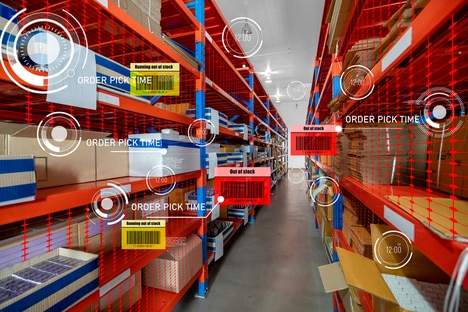

The Retail AI Council’s Ask.RetailAICouncil platform highlights a shift toward AI tools tailored to specific industries. Built using retail-focused data and real-world use cases, the assistant delivers more relevant insights than general-purpose AI models. It helps users research vendors, compare solutions, and prepare strategic documents, all within the context of retail operations. By incorporating feedback from industry professionals, the platform continues to evolve based on practical needs rather than broad assumptions.
This approach reflects growing demand for precision in AI applications, especially in complex sectors like retail where context is critical. Tools like this reduce time spent filtering generic information and support faster, more informed decision-making. As more industries adopt specialized AI systems, companies may prioritize building or adopting tools trained on their own data and workflows. This could reshape how organizations evaluate technology, collaborate with peers, and integrate AI into everyday operations.
Image Credit: Retail AI Council
What Makes This Trend Stand Out
- Industry Specific AI Assistants
- Tailored AI trained on retail data produces more actionable vendor comparisons and strategy artifacts than general models, creating scope for differentiated solution offerings.
- Feedback Driven Model Evolution
- Ongoing practitioner input yields adaptive assistants that better mirror operational workflows, creating pathways for continuously customized enterprise tools.
- Data Sovereignty and Private Training
- Preference for models trained on proprietary datasets signals demand for secure, on-premise or federated AI options that could redefine vendor selection dynamics.
Sectors Adopting This
- Retail Technology
- Contextual assistants that understand merchandising, inventory, and POS data could restructure how retailers evaluate vendors and execute strategy.
- Supply Chain and Logistics
- AI attuned to store-level demand patterns and fulfillment constraints has the potential to introduce new optimization services across distribution networks.
- B2B Saas for Professional Services
- Specialized platforms that automate vendor research and strategic document preparation may shift value propositions in consulting and procurement software.