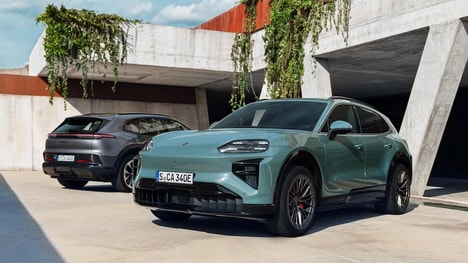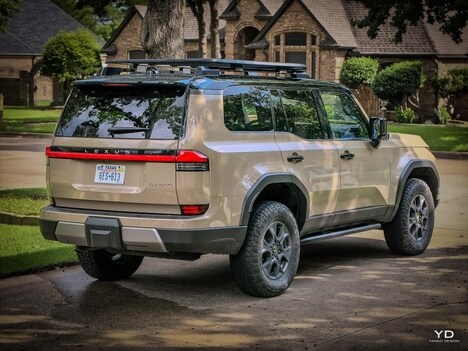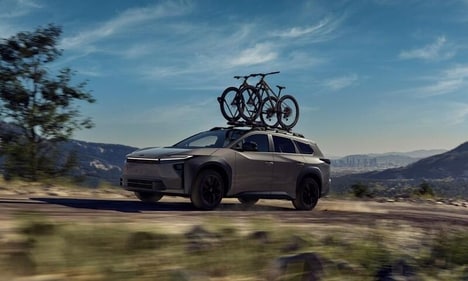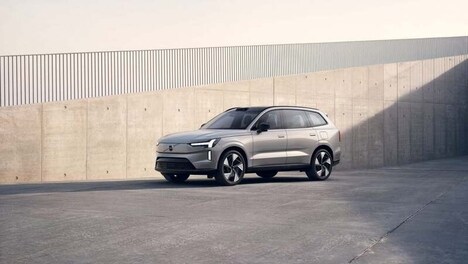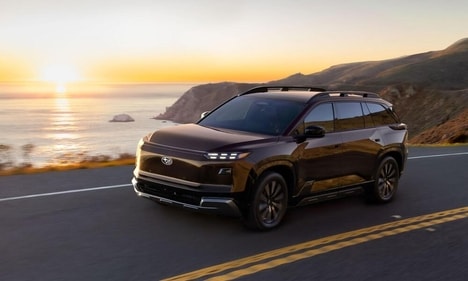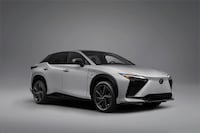
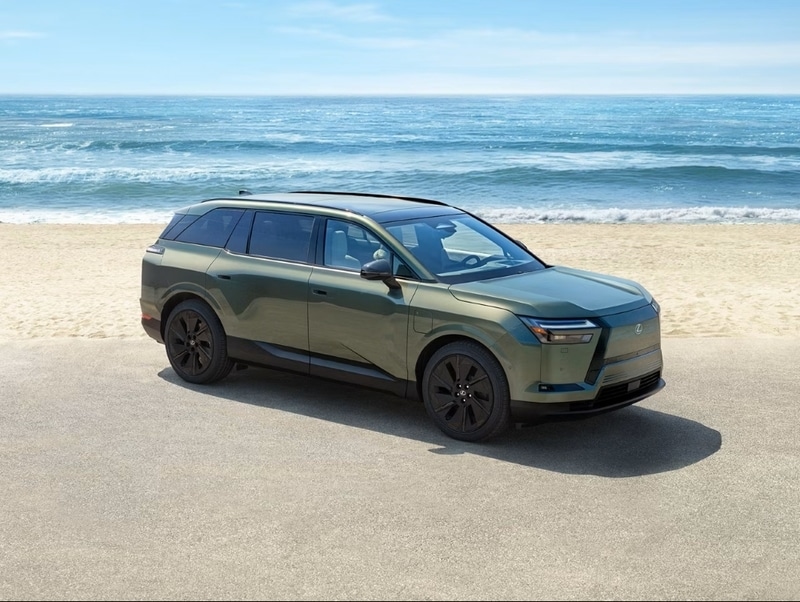
Luxury lounge EVs are redefining premium automotive design by shifting focus from performance alone toward comfort-driven passenger experiences. The Lexus TZ reflects this movement through its quiet electric platform, spacious lounge-inspired interior, panoramic visibility, and wellness-oriented cabin features designed to make travel feel more relaxing and immersive. Sustainable materials, low-noise engineering, and advanced driver-assistance systems further position the vehicle as a lifestyle-centered mobility experience rather than simply a mode of transportation.
For businesses, this signals growing consumer demand for vehicles that function as extensions of personal living and work spaces. As electric vehicle performance becomes increasingly standardized across brands, automakers are competing through interior atmosphere, emotional comfort, and experiential luxury. This shift may create new opportunities in automotive wellness technologies, sustainable interior materials, smart cabin ecosystems, and premium subscription-based mobility services. Passenger-focused design could become a stronger differentiator as consumers prioritize comfort, personalization, and seamless digital experiences within next-generation vehicles..
Image Credit: Lexus
What's Driving This Trend
- Comfort-centric EV Interiors
- The shift toward mobile living rooms highlights demand for immersive climate, sound, and seating systems that prioritize passenger wellbeing over traditional performance metrics.
- Sustainable Luxury Materials
- A rising preference for eco-friendly upholstery and trim underscores potential for high-performance bio-based materials and circular-supply manufacturing tailored to premium cabins.
- Smart Cabin Ecosystems
- Advanced sensor networks and seamless connectivity are positioning cabins as personalized digital ecosystems that integrate entertainment, productivity, and health monitoring.
Who This Affects Most
- Automotive Original Equipment Manufacturers
- Legacy automakers face pressure to shift from performance-led differentiation to experience-driven design, increasing relevance for modular interior platforms and subscription-based content models.
- Consumer Wellness Technology
- Vehicle wellness features are aligning air quality sensors, biometric monitoring, and adaptive soundscapes with mobility use cases, indicating cross-sector product convergence.
- Sustainable Materials Manufacturing
- Demand for premium sustainable trim is creating opportunities for suppliers of recycled composites, plant-based leathers, and low-VOC processing to serve luxury vehicle cabins.