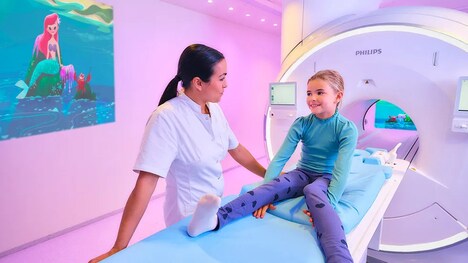

Community health AI alliances are reshaping how healthcare providers adopt and develop advanced medical technologies. Through a seven-year collaboration, WellSpan Health and Philips are combining clinical expertise, diagnostics, imaging systems, and artificial intelligence to create a more connected approach to care delivery. The partnership includes research initiatives, technology validation, and joint product development, allowing WellSpan to help test and refine emerging healthcare tools before they reach broader markets.
This approach reflects a growing shift from traditional vendor relationships toward long-term strategic collaborations. Rather than simply purchasing equipment, healthcare organizations are becoming active contributors to the development of new technologies. For Philips, the alliance provides real-world clinical environments to evaluate and improve solutions. For WellSpan, it offers access to advanced diagnostic platforms, streamlined technology management, and opportunities to improve efficiency. As healthcare systems face staffing pressures and rising demand, these collaborative models may accelerate the adoption of AI-powered care across community-based hospitals.
Image Credit: WellSpan Health
What's Driving This Trend
- Community AI Co-development
- Long-term partnerships between health systems and technology firms create real-world testing environments where diagnostic algorithms and imaging tools can mature faster than traditional vendor-built solutions.
- Embedded Clinical Validation
- Hospital-based research and product refinement introduces a pathway for AI platforms to be shaped by frontline workflows, patient diversity, and operational constraints before broad commercialization.
- Connected Diagnostic Ecosystems
- Integrated imaging, diagnostics, and AI infrastructure signals a shift toward interoperable care models that can reduce fragmentation while improving speed and consistency across community hospitals.
Who This Affects Most
- Healthcare Technology
- Strategic co-creation between providers and medtech companies expands the market for adaptive AI systems designed around clinical realities rather than standalone technical performance.
- Medical Imaging
- AI-enhanced imaging partnerships position radiology and diagnostic departments as innovation hubs where automation, workflow optimization, and decision support can address staffing shortages.
- Community Healthcare
- Regional hospitals gain new relevance as proving grounds for advanced care technologies, creating scalable models that bring enterprise-grade diagnostics to non-academic settings.