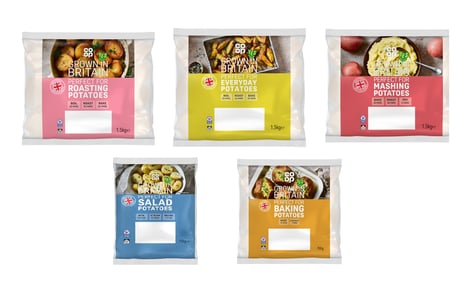
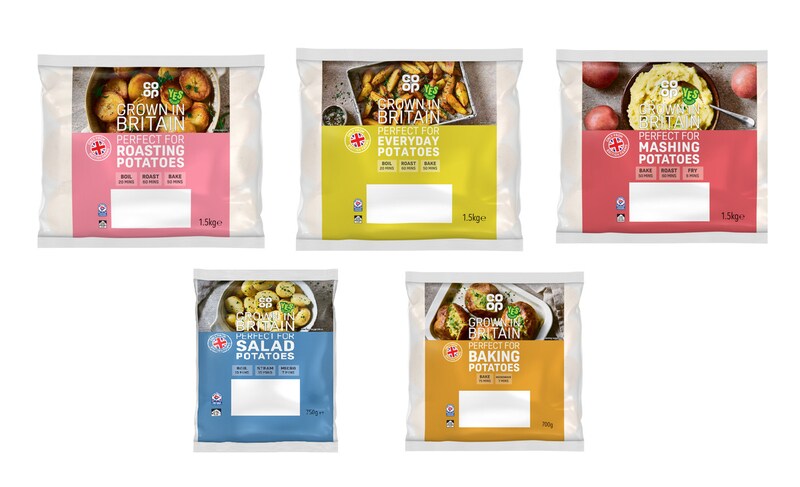
Climate-resilient produce retail is reshaping grocery sourcing as retailers adapt to changing agricultural conditions and growing pressure on domestic food production. Co-op’s move to “best of season” potato packs allows the retailer to use a wider range of British-grown varieties, including Jelly, Tyson, Karelia, and Maris Piper, based on quality, seasonality, and cooking performance. By focusing on roasting, mashing, baking, salad, and everyday use rather than a single variety year-round, the retailer can maintain consistent quality while supporting local growers.
This approach highlights how food retailers are becoming more flexible in response to climate-related farming challenges. Newer potato varieties often offer improved yields, stronger disease resistance, and lower input requirements, helping farmers operate more efficiently. For retailers, diversified sourcing can reduce dependence on imports, strengthen supply chain reliability, and minimize waste. As climate pressures continue to affect crop production, adaptable sourcing models may become increasingly important across the grocery sector.
Image Credit: Co-op
Key Themes Behind This Trend
- Variety-led Merchandising
- Retail assortments organized by cooking use and seasonal variety rather than single cultivars enable differentiated product tiers and reduce reliance on imports.
- Adaptive Sourcing Models
- Flexible procurement that prioritizes seasonality and local resilience creates opportunities for suppliers with diverse cultivar portfolios and regionally optimized yields.
- Climate-tolerant Crop Adoption
- Wider deployment of disease-resistant, higher-yielding potato varieties supports supply stability and lowers input costs across fluctuating growing conditions.
Where This Applies
- Grocery Retail
- Supermarkets able to reframe packaging and marketing around use-case and seasonality can maintain shelf continuity while supporting domestic growers.
- Agritech and Plant Breeding
- Breeding platforms and precision phenotype testing that deliver climate-resilient varieties offer pathways to faster varietal adoption and farm-level risk reduction.
- Cold Chain and Logistics
- Logistics networks optimized for varied harvest windows and more diverse SKUs create efficiencies in storage, distribution timing, and spoilage reduction.