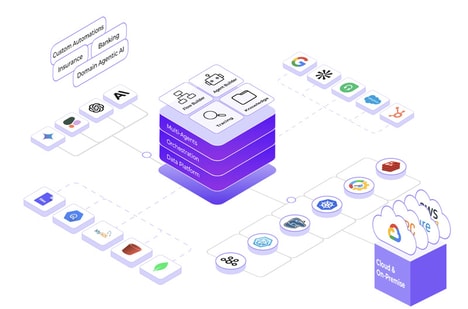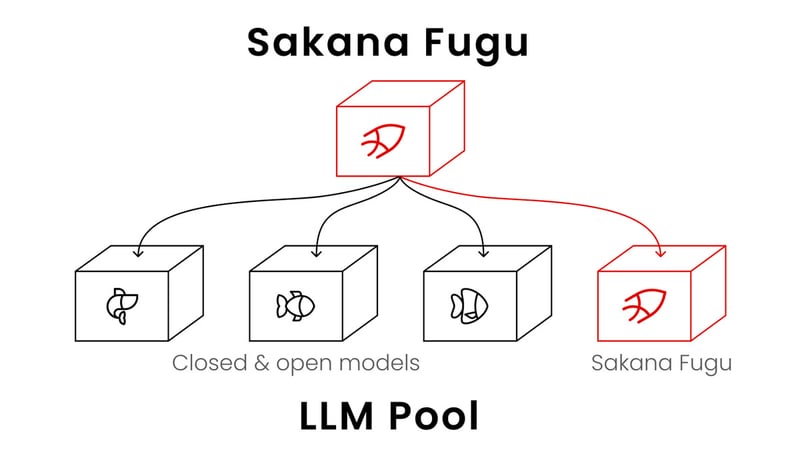
AI orchestration platforms are reshaping enterprise artificial intelligence by allowing multiple specialized models to work together through a single API instead of relying on one large model alone. Sakana AI's new Fugu system coordinates model selection, task delegation, verification, and response synthesis behind the scenes, simplifying complex workflows while maintaining high performance across coding, research, and reasoning tasks.
For businesses, this approach reduces the complexity of managing multiple AI providers and helps organizations adapt as new models enter the market. It also lowers the risk of vendor lock-in by enabling workloads to shift across different models without changing application code. As enterprises increasingly deploy AI for research, software development, cybersecurity, and data analysis, orchestration platforms like Fugu could improve scalability, streamline deployment, and make advanced multi-model capabilities more accessible through a unified interface.
Image Credit: Sakana AI
What's Driving This Trend
- Multi-model AI Orchestration
- Enterprise AI systems gain flexibility as specialized models are coordinated through unified interfaces that improve performance, routing, and response quality.
- Api-based Model Abstraction
- Unified AI APIs reduce integration complexity by separating application logic from individual model providers, creating room for more adaptable enterprise architectures.
- Vendor-neutral AI Workflows
- Model-agnostic orchestration lowers dependency on single providers as workloads can shift across competing systems without major code changes.
Who This Affects Most
- Enterprise Software
- Business software platforms can embed orchestration layers that simplify AI deployment across research, coding, analytics, and operations workflows.
- Cybersecurity
- Security teams benefit from coordinated AI models that divide tasks such as threat detection, code analysis, and incident investigation across specialized systems.
- Cloud Computing
- Cloud providers are positioned to offer orchestration infrastructure that manages model selection, scaling, verification, and billing across diverse AI ecosystems.