





Sony OLED
Ben Preiss — October 16, 2007 — Tech
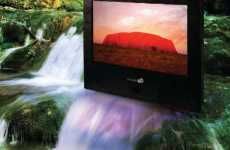
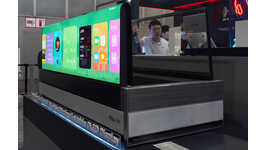
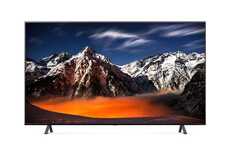
At the end of the year Sony will begin selling the first of a new category of OLED (Organic Light Emitting Diodes) TVs that will offer unprecedented color quality, contrast and wide viewing angles in a thinner package. What's the downside? A short lifespan, the OLEDs degrade relatively quickly with about a tenth the lifespan of LCD's.
Implications - The emphasis of portability has launched a large variety of small-screened TVs. The constant need to be entertained on-the-go has been apparent with products such as handheld games, portable DVDs and in-car screens for kids to enjoy. More and more products like these will start to take on even smaller forms for convenient entertainment.
Implications - The emphasis of portability has launched a large variety of small-screened TVs. The constant need to be entertained on-the-go has been apparent with products such as handheld games, portable DVDs and in-car screens for kids to enjoy. More and more products like these will start to take on even smaller forms for convenient entertainment.
Trend Themes
1. OLED TV - The rise of OLED TVs will continue to disrupt the traditional LCD TV market as consumers demand better color quality and thinner packages.
2. Portability - The trend of portable entertainment products will continue to grow as consumers prioritize the ability to watch content on-the-go.
3. Miniature Displays - As demand for smaller screens increases, the opportunity for innovative miniature display technology will emerge.
Industry Implications
1. Consumer Electronics - The consumer electronics industry will continue to be disrupted by advancements in display technology like OLEDs that offer better color, contrast, and portability.
2. Entertainment - The entertainment industry will need to adapt to the trend of on-the-go viewing by shifting to more portable and convenient formats.
3. Emerging Display Technology - Companies in the emerging display technology industry have an opportunity to create innovative new products that cater to the demand for miniature, high-quality screens.
2.5
Score
Popularity
Activity
Freshness