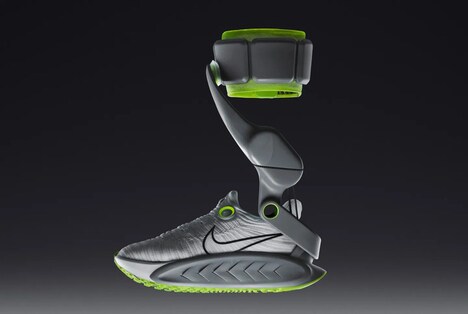
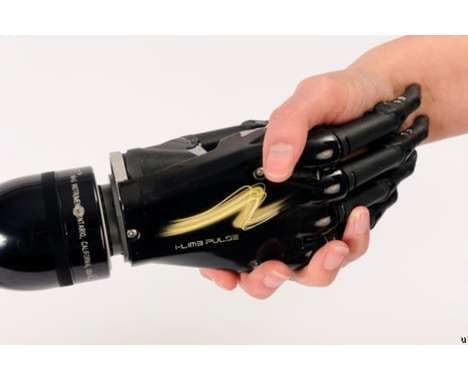
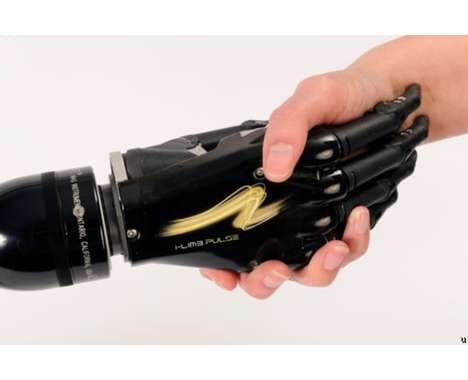
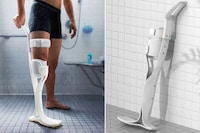
Garth Stewart, 24, who lost his left leg below the knee in an explosion, received the prototype device that is designed to reduce fatigue, improve balance and provide amputees with a more fluid gait. This is just another example of biomechanical engineers designing devices that help turn return as much of amputees' former abilities as possible.
Stewart's prosthetic leg features an energy-generating ankle that's far more powerful than a conventional spring. The technology should be commercially available by the summer of 2008.
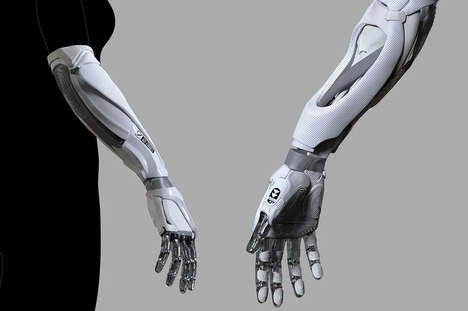
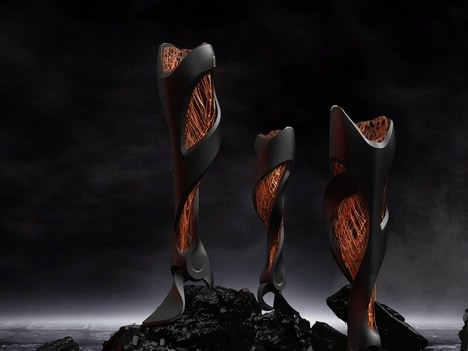
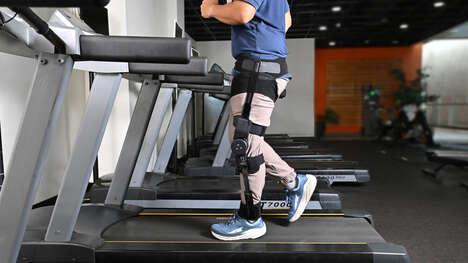
Implications - Scientists and engineers are working together to create innovative prosthetic limbs that mimic natural biomechanical processes. These advanced prosthetics aren't the peg legs of generations prior, and may even form the basis for futuristic exoskeletons for able-bodied laborers.
Key Themes Behind This Trend
- Advanced Prosthetic Limbs
- Scientists and engineers are developing innovative prosthetic limbs that mimic natural biomechanical processes, offering new opportunities for amputees.
- Energy-generating Ankles
- The development of energy-generating ankles in prosthetic limbs is revolutionizing the industry, providing amputees with improved balance and a more fluid gait.
- Futuristic Exoskeletons
- The advancements in prosthetic limb technology could potentially lead to the creation of futuristic exoskeletons that enhance the abilities of able-bodied laborers.
Where This Applies
- Biomedical Engineering
- Biomedical engineering is at the forefront of developing advanced prosthetic limbs that improve the lives of amputees.
- Medical Devices
- The medical device industry is incorporating energy-generating ankle technology into prosthetic limbs, offering new options for amputees.
- Robotics
- Advancements in prosthetic limb technology are inspiring the robotics industry to explore the potential of creating futuristic exoskeletons for a wide range of applications.