



Ben Preiss — July 23, 2007 — Tech
References: businessweek & latimes
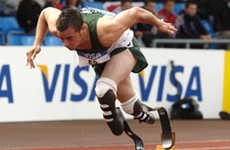
The sight of Oscar Pistorius zipping across a track is a bit mind blowing. Blade Runner is probably an apt nickname as it is both descriptive of his prosthetics and suggestive of the futuristic way he uses the prosthetic technology to propel himself. He holds the 100m, 200m and 400m world records at the Paralympics, placed seventh at a 400m mainstream race in England (he was disqualified for going outside his lane) and he is setting his sites on the 2008 Olympics in Beijing. Some people are saying that technology gives him an unfair advantage against his able bodied opponents.
Trend Themes
1. Prosthetic Advancements - There is an opportunity to innovate and create prosthetic technology that can enhance human performance beyond natural limitations.
2. Adaptive Sports - The rise of adaptive sports will lead to new opportunities to design modified athletic wear and equipment to better accommodate the needs of athletes with physical disabilities.
3. Inclusive Athletics - There is an opportunity to create more inclusive athletic rules and regulations that account for the use of prosthetics and other assistive technologies.
Industry Implications
1. Medical Devices - Companies that develop prosthetic technology have the opportunity to create devices that can enhance human abilities.
2. Sporting Goods - Sporting goods companies have the opportunity to create modified athletic wear and equipment to better accommodate the needs of athletes with physical disabilities.
3. Athletics Governing Bodies - Athletic governing bodies have the opportunity to create more inclusive rules and regulations that account for the use of prosthetics and other assistive technologies.
3
Score
Popularity
Activity
Freshness