
For the past 19 years, the L'Oreal-UNESCO 'For Women in Science' initiative has celebrated women at the forefront of the physical sciences, and Professor Zhenan Bao has carried out impressive research to earn a spot as one of this year's laureates.
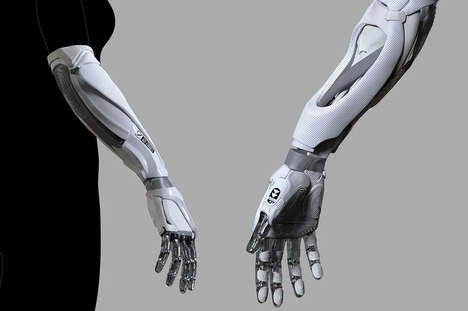
Professor Bao's research sounds like the stuff of science fiction -- a testament to its miraculous complexity. Working at Stanford University, she has researched and developed an electronic skin that is designed to be applied to prostheses. With the use of lightweight, flexible polymers that conduct electricity with minute precision, Professor Bao has created artificial skin that can recognize haptic input. Because of its conductivity, this electronic skin can then be programmed to interface with the human brain, offering the possibility of prostheses that engender an authentic sense of touch for the amputees who use them.
As a reward for her outstanding, breakthrough research in tactile prosthesis, Professor Bao will receive €100,000 at the upcoming awards ceremony in the Maison de la Mutualite in Paris.
Why This Trend Is Growing
- Electronic Skin Interfaces
- The development of electronic skin interfaces has the potential to revolutionize the field of prosthetics by providing amputees with an authentic sense of touch.
- Lightweight Flexible Polymers
- The use of lightweight, flexible polymers in electronic skin technology opens up new possibilities for the development of comfortable and responsive prosthetic devices.
- Haptic Input Recognition
- Advancements in haptic input recognition allow for more natural and intuitive interactions with electronic devices, enhancing user experience in various industries.
Industries Being Reshaped
- Prosthetics
- The field of prosthetics can leverage electronic skin interfaces to improve the functionality and comfort of artificial limbs.
- Healthcare
- Healthcare professionals can explore the integration of electronic skin technology to enhance patient care and improve the accuracy of medical assessments.
- Consumer Electronics
- The consumer electronics industry can incorporate haptic input recognition to create more immersive and interactive experiences for users.